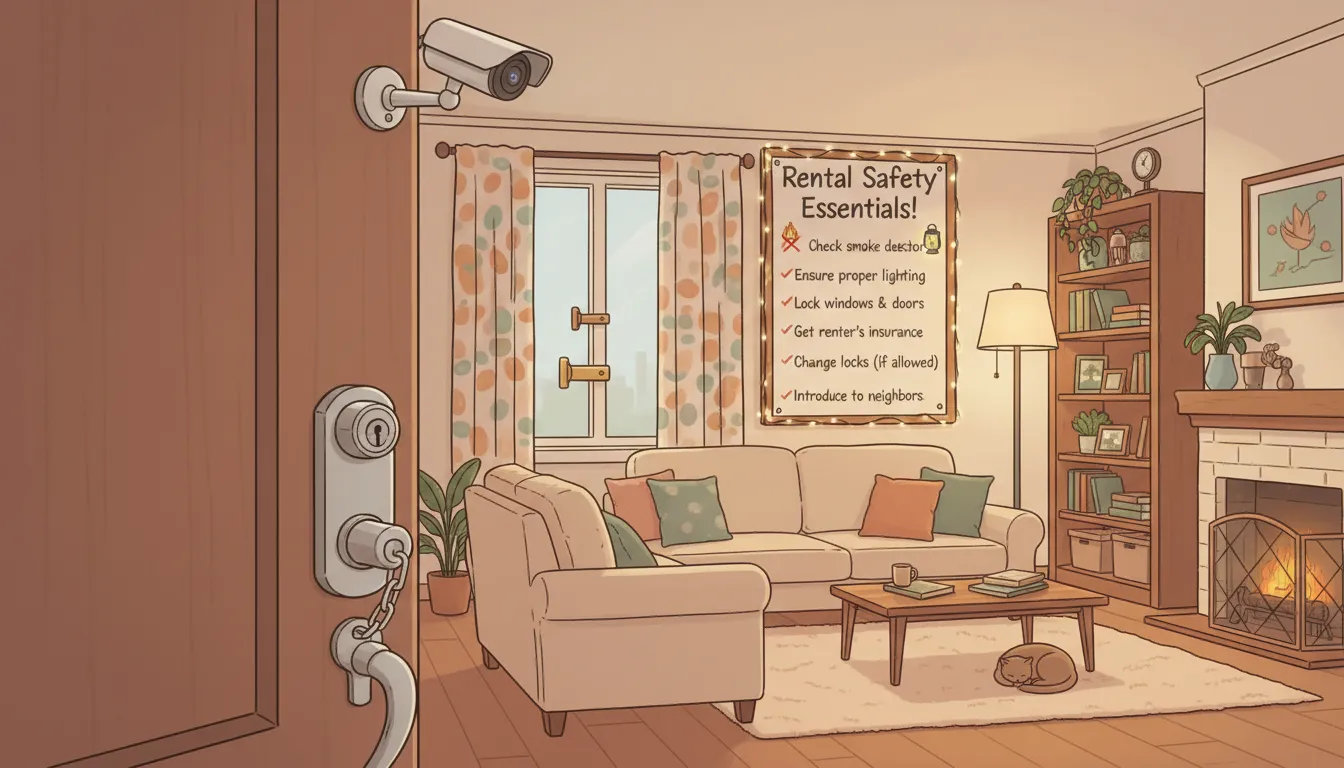
Want to feel safe? Applying effective Rental Safety Tips transforms your apartment into a secure sanctuary. Learn how to protect your loved ones and belongings effortlessly.
This guide explores ten actionable strategies to fortify your living space. You will discover how to secure entry points, prevent household hazards, and utilize smart technology. Implement these expert-backed practices to achieve total peace of mind and protect your valuable assets.
Why Prioritizing Security in Your Rental Matters
Securing your apartment goes far beyond simply locking the front door when you leave. Many tenants mistakenly believe their landlord bears the sole responsibility for property security. You must take an active role in protecting your personal environment. Proactive security measures deter intrusions, prevent accidents, and establish a foundation of comfort.
Living in a multi-family building or a rented house introduces unique vulnerabilities. Shared hallways, high turnover rates, and duplicate keys can compromise your privacy. By addressing these vulnerabilities directly, you mitigate risks significantly. Taking control of your environment ensures you never have to second-guess your physical or financial well-being.
Establishing strong habits also protects you against common household accidents. Fire hazards, electrical issues, and carbon monoxide leaks pose severe threats to unprepared renters. A comprehensive approach addresses both external threats and internal safety standards. Let us dive into the ten essential strategies you must implement to safeguard your residence.
1. Upgrade and Secure Your Entry Points
Your front door serves as the primary barrier between your private sanctuary and the outside world. Unfortunately, many apartments feature standard, outdated locks that provide minimal resistance against forced entry. You should immediately assess the quality of your door hardware upon moving into a new unit.
First, request that your landlord rekey the locks before you unpack your boxes. Previous tenants, maintenance workers, or contractors might still possess spare keys. A freshly rekeyed deadbolt guarantees that you hold the only access point to your home. If your landlord refuses, ask for written permission to hire a locksmith at your own expense.
Consider adding secondary security devices that do not require permanent installation. A door security bar wedges under the doorknob to prevent the door from being forced open from the outside. You can also install a portable travel lock for added peace of mind while sleeping. Replace the standard screws in your door’s strike plate with three-inch screws to significantly reinforce the door frame against kicking.
2. Leverage Smart Security Technology
Advancements in consumer technology make it incredibly easy for renters to monitor their properties without hardwiring new systems. You no longer need to drill holes or sign long-term contracts with security companies. Wireless devices offer robust protection and easy removal when your lease ends.
Start by installing wireless security cameras inside your unit, pointing toward the main entryways. Choose models that send instant motion-detection alerts directly to your smartphone. This allows you to monitor your pets, screen maintenance visits, and detect unauthorized entry in real time. Always respect privacy laws; never point cameras toward neighbors’ windows or shared common areas.
You can also integrate temporary smart locks that fit over your existing deadbolt hardware. These devices allow you to lock or unlock your door remotely and grant temporary access codes to dog walkers or friends. Pair these tools with a standalone security hub to create a comprehensive, renter-friendly ecosystem.
3. Invest in Reliable Renters Insurance
Physical barriers protect your home, but financial barriers protect your future. Surprisingly, a massive percentage of tenants skip purchasing renters insurance to save a few dollars a month. This decision can lead to devastating financial ruin if a disaster strikes. Your landlord’s insurance policy covers the physical building, but it absolutely does not cover your personal belongings.
A standard policy protects your electronics, furniture, and clothing against theft, vandalism, fire, and certain natural disasters. Take a thorough inventory of your possessions by recording a video walkthrough of your apartment. Open closets, scan electronics, and document serial numbers to streamline any future claims. Keep this video backed up on a secure cloud server.
Additionally, these policies provide crucial liability coverage. If a guest trips and sustains an injury inside your apartment, your policy helps cover their medical bills and your legal fees. It can also cover temporary relocation expenses if a fire forces you out of the building. For the price of a few coffees a month, this coverage represents the ultimate safety net.
4. Master Fire and Carbon Monoxide Safety
Fires spread rapidly in multi-unit buildings, making early detection and prevention critical. You must take ownership of the environmental hazards within your specific unit. Start by testing every smoke detector in your home the day you move in. Press the test button and replace any dead batteries immediately.
You should test these detectors monthly and replace the batteries every six months. Additionally, plug-in carbon monoxide detectors are non-negotiable, especially if your unit utilizes gas appliances or heating. Carbon monoxide is an invisible, odorless gas that causes fatal poisoning. Place a detector near your sleeping areas and keep it free from obstruction.
Keep a multipurpose fire extinguisher accessible in your kitchen, preferably mounted away from the stove. Most cooking fires start rapidly; you do not want to reach across roaring flames to grab your extinguisher. Familiarize yourself with the PASS method: Pull the pin, Aim at the base of the fire, Squeeze the handle, and Sweep from side to side.
5. Secure Your Windows and Sliding Doors
Ground-floor apartments and units with accessible fire escapes face elevated risks of window intrusions. Standard window latches often fail to provide adequate resistance against a determined intruder. You must reinforce these access points to deter crimes of opportunity.
For sliding glass doors, place a sturdy wooden dowel or a specialized security bar in the bottom track. This simple physical barrier makes it physically impossible to force the door open from the outside. You can also apply anti-shatter security film to ground-floor windows. This transparent film holds the glass panes together if someone attempts to smash the window, delaying entry and creating noise.
Install secondary window locks or track blockers on all accessible windows. These affordable devices clamp onto the window track, allowing you to leave the window open a few inches for ventilation while preventing it from opening further. Always lock your windows securely before leaving the house or going to sleep.
6. Build a Network with Your Neighbors
An active, observant community acts as a powerful deterrent against suspicious activity. Developing polite relationships with your immediate neighbors enhances your overall security posture. You do not need to become best friends, but exchanging contact information proves invaluable during emergencies.
Neighbors who know your basic routine can easily spot anomalies. If they see a stranger attempting to open your door while you are at work, they can notify you or the authorities. Return the favor by keeping a watchful eye on their packages and property. This mutual vigilance creates a hostile environment for potential intruders.
Consider joining a neighborhood watch program or a local community social media group. These platforms provide real-time updates regarding local crime trends, package thefts, or maintenance issues affecting the building. Staying informed allows you to adjust your security habits proactively rather than reacting after an incident occurs.
7. Protect Your Digital Identity and Wi-Fi
Physical security represents only one half of the equation; digital safety is equally vital. Apartment complexes crowd dozens of Wi-Fi networks into a small geographic area. If you leave your network unsecured, malicious actors can easily intercept your sensitive data or utilize your bandwidth for illegal activities.
Change the default administrator username and password on your router immediately upon setup. Use a complex, unique password for your network access and enable WPA3 encryption if your router supports it. Create a separate “guest network” for visitors to keep them off your primary network, isolating your personal devices from potential malware.
Furthermore, properly dispose of documents containing sensitive information. Mailrooms in apartment buildings often feature communal trash cans where thieves can easily execute dumpster-diving operations. Invest in a cross-cut paper shredder to destroy bank statements, credit card offers, and medical bills before discarding them.
8. Establish a Clear Emergency Evacuation Plan
During a crisis, panic clouds judgment and slows reaction times. Establishing a clear emergency evacuation plan ensures you and your household know exactly how to exit the building safely. Map out at least two escape routes from your apartment to the outside.
If you live in a high-rise, locate the nearest stairwells and physically walk down them so you understand the route. Never rely on elevators during a fire or earthquake, as they can lose power or trap you between floors. Designate a specific meeting point outside the building where you will reunite with roommates or family members.
Pack a specialized emergency “go-bag” and store it near your front door or under your bed. Include essentials such as a first-aid kit, flashlights with extra batteries, bottled water, non-perishable snacks, and backup copies of vital documents. Having these supplies ready saves precious minutes when you must evacuate immediately.
9. Maintain a Lived-In Appearance When Away
Vacant apartments present incredibly tempting targets for burglars. If you plan to travel for work or take a vacation, you must create the illusion that someone remains inside the unit. A dark, silent apartment with a pile of packages at the door advertises your absence to the entire neighborhood.
Use smart plugs to control a few lamps and a television or radio. Program these devices to turn on and off at random intervals during the evening. This dynamic lighting pattern mimics genuine human activity far better than a static light left on for a week.
Coordinate with a trusted neighbor or your property management office to collect your mail and packages daily. If you subscribe to physical newspapers, place a temporary hold on your delivery. Do not broadcast your travel plans on public social media accounts; post your vacation photos after you return safely to your residence.
10. Address Maintenance Issues Promptly
Ignoring minor maintenance issues often leads to major security vulnerabilities. A loose door hinge, a flickering hallway light, or a sticky window lock compromises your safety. Report these hazards to your landlord or maintenance team the moment you notice them.
Familiarize yourself with your tenant rights regarding property upkeep. Most jurisdictions require landlords to maintain a safe, habitable environment, which includes functioning locks and adequate exterior lighting. Submit your maintenance requests in writing via email or the official resident portal to create a documented paper trail.
If management ignores your requests, politely follow up and emphasize the safety implications. Well-maintained properties deter criminal activity by showing that the owner actively monitors the premises. Taking swift action on repairs protects your immediate environment and holds management accountable to their legal obligations.
Structured Comparison: Smart Locks vs. Traditional Deadbolts
Choosing the right locking mechanism drastically impacts your daily convenience and security. Review this breakdown to determine which option suits your rental situation.
|
Feature |
Smart Locks (Retrofit) |
Traditional Deadbolts |
|---|---|---|
|
Installation |
Slides over existing hardware |
Requires complete lock replacement |
|
Landlord Approval |
Usually not required |
Explicit written permission needed |
|
Access Control |
Remote access, temporary codes |
Physical key handoffs only |
|
Power Source |
Batteries (requires monitoring) |
Mechanical (no power needed) |
|
Cost |
High ($100 – $250+) |
Low ($20 – $50) |
Pro Tips and Expert Insights for Tenants
Security experts consistently recommend adopting a layered defense strategy. Start by installing motion sensor lights on your patio or balcony if you rent a ground-floor unit. Sudden illumination easily startles trespassers and forces them to retreat into the shadows.
Another expert strategy involves assessing the perimeter lighting of your building. If you notice burnt-out bulbs in the parking lot or shared hallways, report them immediately. Criminals prefer to operate in total darkness; eliminating those shadows hardens the target.
Finally, always trust your instincts. If a maintenance worker shows up unannounced and you feel uncomfortable, ask them to wait outside while you verify their work order with the leasing office. Legitimate staff members will never object to you verifying their identity.
Common Mistakes to Avoid When Renting
Many renters inadvertently compromise their own safety through careless habits. Avoid these frequent pitfalls:
- Hiding a spare key outside: Burglars know every hiding spot. Do not place keys under doormats, inside fake rocks, or atop door frames. Give a spare to a trusted friend instead.
- Buzzing in strangers: Never open the main building door for someone you do not know. If they claim to be delivering food or packages for another resident, force them to ring that specific apartment.
- Leaving valuables in plain sight: Keep expensive electronics, cash, and jewelry away from ground-floor windows where passersby can easily spot them.
- Ignoring the peephole: Always verify who is knocking before unlocking your door. If your door lacks a peephole, request that management install one.
Conclusion
Implementing these strategies ensures your apartment remains a secure, peaceful haven. By securing your entryways, utilizing smart technology, and communicating with management, you drastically reduce your risk of property crime and accidents. Do not wait for an emergency to prioritize your safety. Start applying these actionable Rental Safety Tips today, and share this guide with your neighbors to build a stronger community.
Frequently Asked Questions (FAQs)
1. Can my landlord legally stop me from installing a security system?
Most landlords allow wireless, non-invasive security systems that do not damage the walls. However, you generally cannot hardwire a system or drill large holes without explicit written consent. Always review your lease agreement and opt for temporary, removable smart tech.
2. What should I do if I lose my apartment keys?
Notify your property manager immediately so they can rekey your locks. Do not simply ask for a replacement key while leaving the old locks intact, as whoever finds your lost keys now has unimpeded access to your home.
3. Is renters insurance actually worth the monthly cost?
Absolutely. For a very low monthly premium, renters insurance covers your personal property against theft, fire, and water damage. It also provides critical liability protection if someone gets injured inside your unit, saving you from potential financial ruin.
4. How can I secure a sliding glass door effectively?
Place a solid wooden dowel or a specialized security bar tightly into the interior bottom track. This prevents the door from sliding open even if the primary lock is compromised. You can also add an auxiliary pin lock for extra reinforcement.
5. What is the best way to prevent apartment fires?
Never leave cooking food unattended, as kitchen fires are the leading cause of home fires. Avoid overloading electrical outlets, keep flammable items away from space heaters, and test your smoke detectors monthly to ensure early warning capabilities.
6. Do I need a carbon monoxide detector if I only have electric appliances?
While gas appliances pose the highest risk, it is still highly recommended to have one. Carbon monoxide can seep into your unit from an attached garage, a neighboring apartment, or an external generator used during power outages.
7. How can I protect my packages from being stolen in the lobby?
Request that delivery drivers hide packages behind plants or furniture. Alternatively, utilize secure locker services provided by carriers, have packages delivered to your workplace, or coordinate with a neighbor to grab your boxes immediately upon delivery.
8. Can I change my apartment locks myself?
You usually cannot change the locks without your landlord’s permission, as they require emergency access to the unit. If you feel unsafe, request that management rekey the door. If you must do it yourself, you must provide a copy of the new key to the landlord.
9. What should be in my emergency evacuation go-bag?
Pack a compact first-aid kit, a high-lumen flashlight, extra batteries, non-perishable food, bottled water, a portable phone charger, and copies of important identification documents. Keep this bag in an easily accessible location near your exit.
10. How do I address safety concerns with an unresponsive landlord?
Submit all maintenance and safety requests in writing to create a paper trail. If they ignore critical safety issues like broken locks or exterior lighting, research your local tenant rights. You may be legally allowed to withhold rent or break your lease without penalty, depending on local laws.