

Are you wondering what is property management and how it impacts your real estate investments? Discover everything you need to know to maximize your rental income efficiently.
This comprehensive guide explores the fundamentals of rental oversight, detailing core responsibilities, legal compliance, and tenant relations. You will learn expert strategies, avoid common pitfalls, and discover whether hiring a professional aligns with your long-term real estate investment goals.
Understanding the Basics: What is Property Management?
When diving into real estate investing, the first question many new investors ask is, exactly what is property management? At its core, property management is the daily oversight of residential, commercial, or industrial real estate by a third-party contractor. Generally, property managers take responsibility for day-to-day repairs and ongoing maintenance, security, and upkeep of properties. They usually work for the owners of investment properties such as apartment and condominium complexes, private home communities, shopping centers, and industrial parks.
Understanding what is property management involves recognizing that it is the critical bridge between a property owner and a tenant. It encompasses everything from screening prospective renters and collecting monthly payments to handling emergency maintenance calls at two in the morning. For real estate investors who own multiple units, lack the time to handle tenant issues, or live far from their rental properties, professional management becomes an indispensable service that protects the value of the physical asset while generating steady, reliable income.
The scope of what is property management extends far beyond simply collecting rent checks. It requires a deep understanding of state and local landlord-tenant laws, marketing strategies, financial reporting, and conflict resolution. Whether you are an accidental landlord renting out a primary residence or a seasoned investor scaling a massive portfolio, grasping what is property management is fundamental to your success.
Core Responsibilities of a Property Manager

To truly answer the question of what is property management, we must break down the specific duties that a manager or management company handles on behalf of the property owner.
Comprehensive Tenant Screening and Acquisition
One of the most vital components of what is property management is finding and retaining high-quality tenants. A vacant property costs money every single day, but placing the wrong tenant can cost significantly more in eviction fees, property damage, and lost rent.
Professional managers handle the entire marketing process. They take high-quality photographs, write compelling property descriptions, and syndicate listings across major rental platforms. Once applications start rolling in, the rigorous screening process begins. This includes pulling credit reports, verifying employment and income, checking criminal backgrounds, and contacting previous landlords to assess rental history. Proper screening ensures that you place reliable tenants who pay on time and treat your property with respect. If you want to learn more about optimizing your listings, understanding rental property marketing is a great next step.
Rent Collection and Financial Management
Cash flow is the lifeblood of real estate investing. A major part of what is property management entails strictly enforcing lease policies regarding rent collection. Property managers set up streamlined, digital payment portals that make it easy for tenants to pay their rent on time. They also handle the unpleasant task of tracking down late payments, issuing late fees, and, when absolutely necessary, initiating the eviction process.
Furthermore, property managers provide detailed financial reporting to the property owner. This includes tracking income and expenses, generating monthly cash flow statements, and providing end-of-year tax documents (like a 1099 form). Using robust property management accounting software ensures that every dollar is accounted for, giving property owners complete peace of mind and making tax season infinitely easier.
Property Maintenance and Emergency Repairs
Physical upkeep is another foundational pillar of what is property management. Properties undergo wear and tear, and addressing maintenance promptly keeps tenants happy and preserves the property’s underlying value.
Routine maintenance includes tasks like landscaping, HVAC servicing, pest control, and gutter cleaning. However, the true value of a property manager shines during emergencies. When a pipe bursts on a holiday weekend, the property manager handles the emergency call and dispatches trusted, licensed contractors to fix the issue immediately. Because management companies handle high volumes of work, they often secure discounted rates from local vendors, saving the property owner money in the long run.
Legal Compliance and Risk Mitigation
Navigating the legal landscape of real estate is incredibly complex. A crucial aspect of what is property management is keeping the property owner legally compliant and out of court. This involves strict adherence to the Fair Housing Act, which prohibits discrimination based on race, color, national origin, religion, sex, familial status, or disability.
Additionally, property managers ensure that lease agreements are legally binding and specific to local municipal laws. They manage security deposits according to state regulations—often requiring funds to be held in separate, interest-bearing escrow accounts—and ensure that property safety standards, such as smoke detector placement and lead-based paint disclosures, are meticulously followed.
Different Types of Property Management
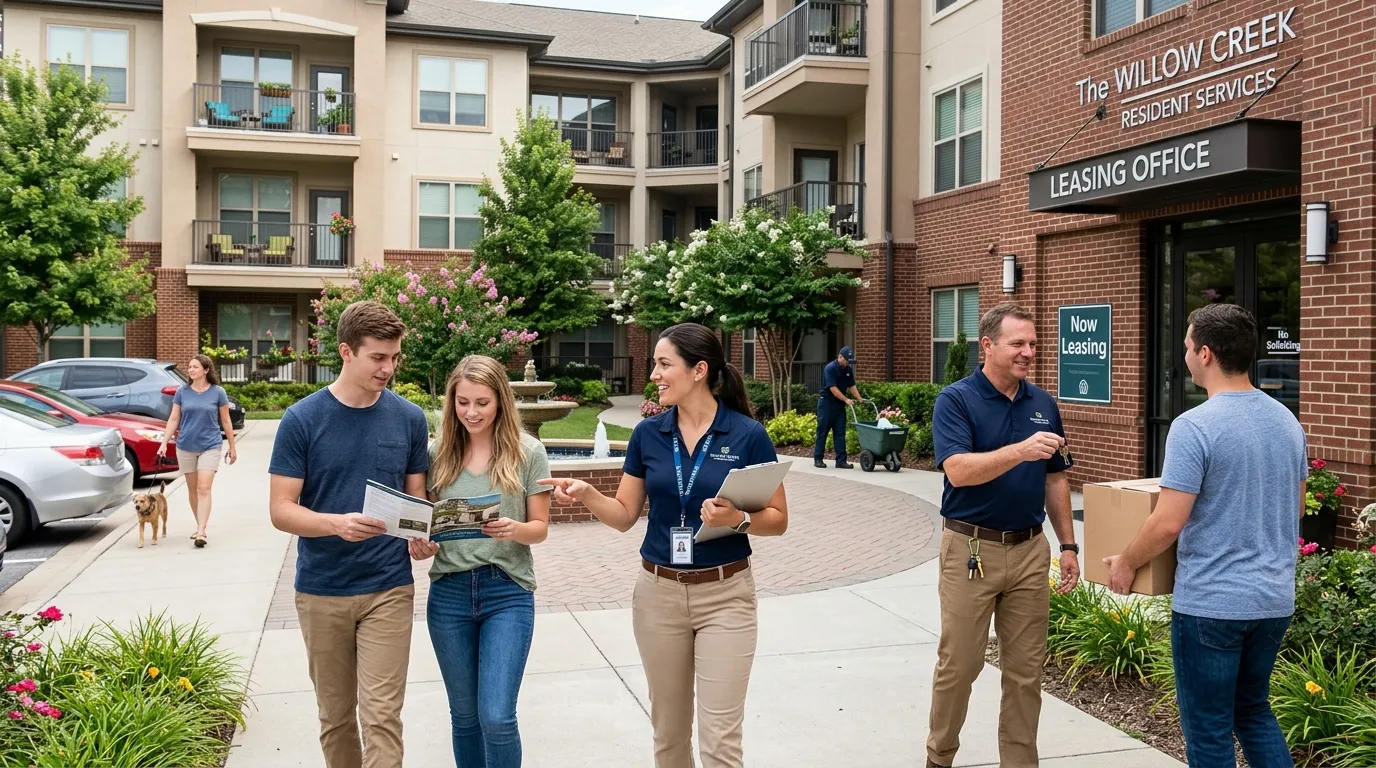
The definition of what is property management varies slightly depending on the specific type of real estate being managed.
Residential Property Management
This is the most common form and includes single-family homes, multi-family apartment buildings, townhouses, and condominiums. Residential management heavily focuses on tenant relations, frequent communication, and managing high turnover rates compared to other property types.
Commercial Property Management
Commercial properties include office buildings, retail spaces, and shopping centers. What is property management in the commercial sector? It involves dealing with complex, multi-year leases (often triple-net leases where the tenant pays for taxes, insurance, and maintenance). Commercial managers must ensure the property remains attractive to businesses and their customers, often managing shared common areas and specialized building systems.
Industrial and Special-Purpose Management
Industrial properties include warehouses, distribution centers, and manufacturing facilities. These properties require managers who understand specific zoning laws, environmental regulations, and heavy-duty infrastructure maintenance. Special-purpose properties might include theaters, sports arenas, or healthcare facilities, each requiring highly specialized operational knowledge.
DIY Landlording vs. Hiring a Professional
As you learn what is property management, you must decide whether to manage the property yourself (DIY landlording) or hire a professional company. Below is a structured comparison table to help you evaluate the best path for your real estate investment strategy.
|
Feature/Task |
DIY Landlording |
Professional Property Management |
|---|---|---|
|
Cost |
Only out-of-pocket expenses for repairs and marketing. |
Typically 8-12% of monthly rent, plus potential leasing and setup fees. |
|
Time Commitment |
High. Requires 24/7 availability for tenant issues and emergencies. |
Low. The owner simply reviews monthly reports and receives direct deposits. |
|
Tenant Screening |
Often manual, subjective, and prone to legal blind spots. |
Rigorous, objective, background/credit checks utilizing specialized software. |
|
Legal Compliance |
Owner assumes all risk and must stay updated on changing laws. |
Manager handles compliance, lease drafting, and navigating the eviction process. |
|
Maintenance |
Owner must source, vet, and coordinate contractors themselves. |
Manager has an established network of vetted, insured, and discounted vendors. |
Common Mistakes to Avoid in Property Management
Even experienced investors stumble if they do not fully grasp what is property management requires. Avoid these common pitfalls to ensure your rental portfolio remains profitable:
- Inadequate Tenant Screening: Rushing to fill a vacancy without running comprehensive background and credit checks is the number one cause of lost revenue. A bad tenant costs far more than a month of vacancy.
- Ignoring Preventative Maintenance: Deferring maintenance to save a few dollars inevitably leads to massive repair bills later. Servicing HVAC units and inspecting roofs regularly saves thousands over time.
- Treating the Property as a Hobby: Real estate is a business. Failing to enforce late fees, accepting partial payments, or relying on verbal agreements destroys cash flow and creates legal liabilities. Always use formal, written lease agreements.
- Violating Fair Housing Laws: Asking the wrong questions during a property showing or wording a rental ad incorrectly can trigger devastating discrimination lawsuits.
- Failing to Document Property Condition: Always conduct thorough move-in and move-out inspections with timestamped photographs. Without this documentation, it is nearly impossible to legally withhold a security deposit for tenant damages.
Expert Insights: Pro Tips for Maximizing Rental Yields
Understanding what is property management is only the baseline; mastering it requires strategy. Here are expert insights to help you optimize your rental business:
- Prioritize Tenant Retention: High turnover kills ROI due to cleaning costs, marketing fees, and vacancy periods. Keep good tenants happy by responding to maintenance requests within 24 hours, sending holiday cards, and offering minor upgrades (like a new ceiling fan or fresh paint) upon lease renewal.
- Optimize Your Rental Pricing: Do not guess your rental price. Conduct regular market analyses to ensure you are charging competitive rates. Overpricing leads to prolonged vacancies, while underpricing leaves money on the table.
- Implement Smart Home Technology: Installing smart thermostats, keyless entry locks, and smart smoke detectors makes your property more attractive to modern renters and allows you to monitor the asset more effectively.
- Enforce Strict, Clear Policies: Your lease is your rulebook. Clearly outline expectations regarding pets, smoking, noise, and maintenance reporting. When expectations are clear, conflicts are minimized.
- Build a Financial Reserve: Always maintain a capital expenditure (CapEx) fund. Aim to save three to six months of operating expenses to cover unexpected major repairs, such as a roof replacement or a new furnace, without disrupting your personal finances.
How Technology is Changing Property Management
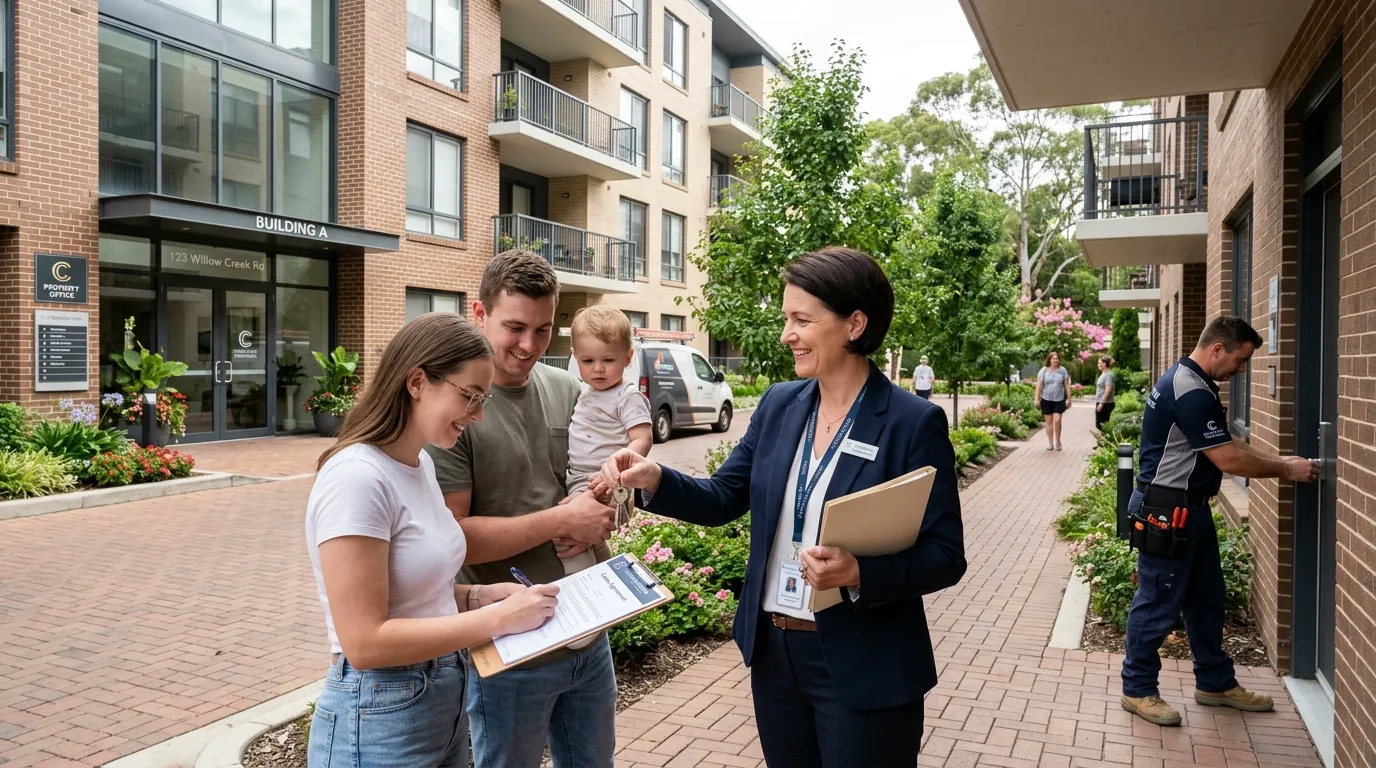
The landscape of what is property management looks drastically different today than it did a decade ago. Property management software has revolutionized the industry, making operations highly efficient. Portals allow tenants to sign leases digitally, submit maintenance requests with attached photos, and pay rent via ACH or credit card automatically.
For property owners, these platforms offer real-time dashboards showing income, expenses, and occupancy rates. Furthermore, artificial intelligence is now being used to predict maintenance failures before they happen and handle initial leasing inquiries via chatbots. Organizations like the National Association of Residential Property Managers (NARPM) frequently highlight how adopting these technologies is essential for scaling a profitable rental management business.
The Financial Impact of Effective Management
To fully comprehend what is property management, you have to look at the bottom line. While hiring a professional management company incurs a monthly fee, effective management usually pays for itself. Professional managers secure higher-quality tenants who stay longer, cause less damage, and accept reasonable annual rent increases.
Furthermore, by utilizing volume discounts for maintenance and avoiding costly legal errors, professional managers protect your profit margins. If you view your real estate as a passive investment vehicle, robust property management is the engine that keeps that vehicle moving forward.
Conclusion
Understanding exactly what is property management empowers you to make highly informed real estate investment decisions. Whether you choose to manage properties yourself or hire seasoned experts, prioritizing tenant satisfaction and proactive maintenance ensures long-term profitability. Ready to elevate your real estate portfolio? Contact our team today for a free rental analysis.
Frequently Asked Questions
1. What is property management?
Property management is the operation, control, and oversight of real estate. It involves managing the day-to-day activities of rental properties, including finding tenants, collecting rent, handling maintenance, and ensuring legal compliance on behalf of the property owner.
2. How much do property management companies typically charge?
Most residential property management companies charge a monthly management fee ranging from 8% to 12% of the collected rent. They may also charge additional fees for tenant placement (often equal to half or one full month’s rent), lease renewals, and setup costs.
3. What does a property manager do on a daily basis?
Daily tasks include responding to tenant communications, scheduling emergency and routine maintenance, marketing vacant units, processing rental applications, collecting payments, and updating financial ledgers for property owners.
4. Can a property manager help with evictions?
Yes. A core component of what is property management involves navigating the legal eviction process. Property managers serve the proper legal notices, file paperwork with the local court, represent the owner during hearings, and coordinate with law enforcement for physical removals if necessary.
5. Do I need a property manager if I only have one rental property?
It depends on your personal circumstances. If you live near the property, have free time, and understand local tenancy laws, you can manage it yourself. However, if you lack time, live out of state, or want to avoid midnight maintenance calls, hiring a professional is highly recommended.
6. How do property managers find good tenants?
Property managers find good tenants by implementing rigorous screening processes. This includes utilizing specialized software to run credit checks, criminal background checks, employment verification, and contacting past landlords to confirm positive rental history.
7. Who pays for repairs when using a property management company?
The property owner is financially responsible for repairs and maintenance. The property manager coordinates the work and pays the contractors using funds from the owner’s operating reserve account or deducts the cost from the incoming monthly rent before disbursing the rest to the owner.
8. What is the difference between a property manager and a landlord?
A landlord is the individual or entity that owns the property. A property manager is an individual or company hired by the landlord to handle the day-to-day operational responsibilities of running the rental property.
9. Are property managers required to have a real estate license?
In most states, yes. Because property management involves leasing and handling rent monies, the majority of US states require property managers to hold an active real estate broker’s license or a specific property management license. Always verify a manager’s credentials before hiring them.
10. How do I choose the best property management company?
To choose the best company, ask for referrals, read online reviews, and interview multiple candidates. Ask about their fee structure, how they handle after-hours emergencies, their average vacancy rate, and what software they use to provide financial reporting to owners. Consulting resources from the Forbes Real Estate Council can also provide insights into vetting industry professionals.