

Are you moving into your first apartment and wondering, exactly what is rent? Understanding this fundamental housing concept protects your finances and legal rights.
This comprehensive guide explains everything you need to know about renting. You will learn about different agreements, tenant rights, cost factors, and expert tips to secure your ideal home while avoiding costly mistakes and common landlord disputes.
The Definition and Importance of Rent
When you ask what is rent, you are looking at a fundamental financial and legal arrangement. Rent is a regular payment made by a tenant to a landlord or property owner in exchange for the right to live in and use a specific property. This payment usually occurs monthly, though some agreements might specify weekly or bi-annual schedules. The concept of rent forms the backbone of the housing market, allowing individuals to secure shelter without the massive upfront costs associated with buying a home.
Understanding the importance of rent goes beyond just handing over a check on the first of the month. Your rent payment guarantees your legal right to inhabit a space, granting you privacy and exclusive use of the property. It represents a legally binding contract that protects both the property owner and the resident. For the tenant, rent provides flexibility. You can live in a desirable neighborhood, access premium amenities, and easily relocate when your lease expires. For the property owner, rent provides a steady stream of income to cover the mortgage, property taxes, maintenance, and potential profit.
Rent also establishes your financial credibility. Consistently paying your rent on time builds a strong rental history. This history becomes a critical asset when you decide to move to a new apartment or eventually apply for a mortgage to buy a house. Landlords and property management companies closely review your past payment behavior to determine your reliability. Therefore, treating your rent as your most important monthly financial obligation ensures long-term housing stability and financial health.
Furthermore, rent dictates the local economy. The rental market health often reflects the broader economic conditions of a city or region. High demand for rentals drives up prices, while increased housing construction can stabilize them. As a renter, understanding how your monthly payment fits into this larger economic picture helps you negotiate better terms and anticipate future housing costs.
Types of Rent Agreements
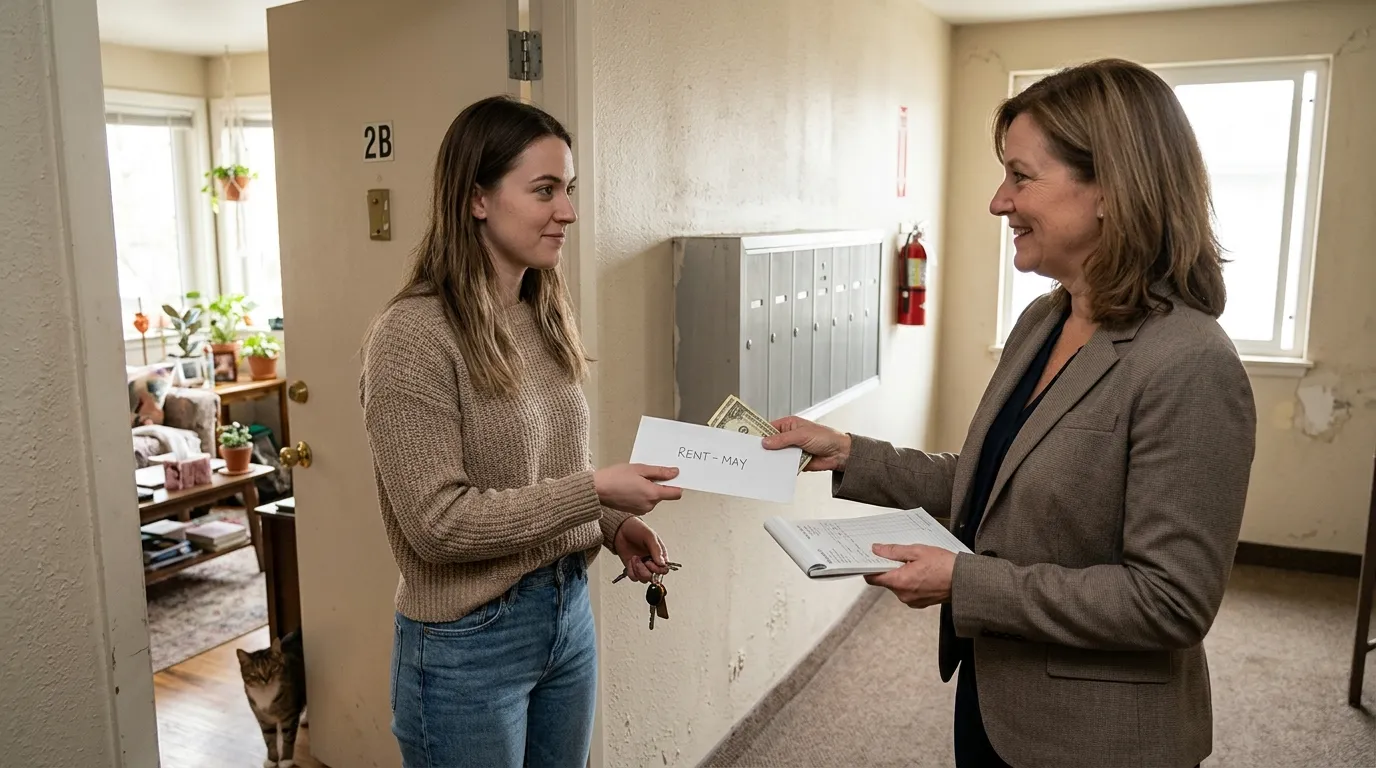
When you decide to rent a property, you will encounter different types of legal contracts. The specific agreement you sign dictates your flexibility, your financial obligations, and your long-term stability in the unit. It is crucial to understand the nuances of each type before signing your name.
Monthly Rental Agreements
A monthly rental agreement, often referred to as a month-to-month tenancy, offers the highest level of flexibility for tenants. In this arrangement, the contract automatically renews every 30 days when you pay your rent. There is no long-term commitment tying you to the property for a year or more. If you need to move for a new job or personal reasons, you simply provide proper notice—usually 30 days, depending on local laws—and vacate the premises without facing early termination penalties.
However, this flexibility comes with a trade-off. Just as you can leave with 30 days’ notice, the landlord can also terminate the agreement or raise the rent with the same short notice period. This lack of long-term stability makes month-to-month agreements less ideal for individuals looking to settle down in a specific neighborhood for several years. Landlords also tend to charge a premium for monthly rentals to offset the risk of unexpected vacancies.
Standard Lease Agreements
A lease agreement is a fixed-term contract that locks in your tenancy for a specific period, most commonly 12 months. Some leases can span six months, 18 months, or even two years. During this period, the landlord cannot raise your rent, and they cannot ask you to leave unless you violate the terms of the contract. This provides excellent financial predictability and housing security.
The downside of a standard lease is the lack of flexibility. If you need to break the lease early, you usually face significant financial penalties. You might be responsible for paying the rent until the landlord finds a new tenant, or you may have to forfeit your security deposit and pay a flat cancellation fee. Before signing a long-term lease, you must be confident in your desire to stay in the location for the entire duration.
Subletting and Roommate Agreements
Sometimes, a primary tenant will rent out a portion of their space or the entire unit to another person. This is known as subletting. A sublease agreement exists between the original tenant and the subtenant, rather than directly with the landlord. If you enter a sublease, you must ensure the primary tenant has written permission from the property owner to do so, as unauthorized subletting frequently leads to eviction for all parties involved.
Similarly, roommate agreements are contracts drawn up between individuals sharing a single rental unit. While the master lease with the landlord dictates the overall rent and rules, a roommate agreement clarifies how the rent, utilities, and household chores are divided among the occupants. Having this in writing prevents disputes and ensures everyone understands their financial responsibilities.
Factors Influencing Rent Prices

Have you ever wondered why two similar apartments in the same city have vastly different monthly costs? Several key variables drive the price of rent in any given market. Understanding these factors helps you evaluate whether a property is priced fairly and gives you leverage when budgeting for rent.
Location remains the most significant driver of rent prices. Apartments located in vibrant downtown areas, near major employment hubs, or within highly rated school districts command premium prices. Proximity to public transportation, grocery stores, and entertainment venues also adds immense value. Conversely, properties situated further from the city center or in neighborhoods with fewer amenities generally offer lower monthly rates.
The size and layout of the unit naturally dictate the cost. A spacious three-bedroom house will cost significantly more than a compact studio apartment in the same neighborhood. However, the layout also matters. An apartment with an open floor plan, large windows, and ample storage space might rent for more than a unit with the exact same square footage but a cramped, outdated design.
Property amenities play a massive role in pricing. Modern apartment complexes often feature luxury additions like fitness centers, swimming pools, rooftop lounges, co-working spaces, and secure package delivery lockers. These conveniences enhance your lifestyle, but they are heavily factored into your monthly rent. If you do not plan to use a gym or a pool, you might save money by renting a unit in a basic building without these extra perks.
Market demand and economic conditions constantly shift rent prices. When a city experiences a boom in job growth, an influx of new residents increases the demand for housing. If the housing supply cannot keep up with this demand, rent prices skyrocket. Seasonal trends also impact costs; rent is typically higher during the summer months when families and students prefer to move, while you might find better deals and move-in specials during the slower winter months.
Finally, the age and condition of the property influence the price. Newly constructed buildings with modern appliances, energy-efficient HVAC systems, and smart home technology charge top-tier rent. Older buildings might offer more affordable rates, but you must factor in potentially higher utility bills due to poor insulation or outdated appliances.
Rights and Responsibilities of Tenants and Landlords
A successful renting experience relies on a delicate balance of mutual respect and legal obligations. Both parties possess specific rights and must uphold certain responsibilities dictated by local and federal laws, such as those outlined by the Consumer Financial Protection Bureau.
Tenant Rights
As a renter, you possess the right to a habitable living environment. This means the landlord must provide a safe, clean property with functioning plumbing, heating, electricity, and structural integrity. If the roof leaks or the heater breaks in the winter, you have the right to request prompt repairs.
You also have the right to privacy. A landlord cannot enter your home unannounced. In most jurisdictions, they must provide at least 24 hours of advance written notice before entering the property for non-emergency maintenance or inspections. Furthermore, you are protected against discrimination under the Fair Housing Act, which prohibits landlords from denying housing based on race, color, national origin, religion, sex, familial status, or disability.
Tenant Responsibilities
Tenant rights come with equally important duties. Your primary responsibility is paying your rent on time and in full every month. You must also maintain the property, keeping it clean and free from safety hazards. While the landlord handles major repairs, you are responsible for minor upkeep, like changing lightbulbs and properly disposing of trash.
You must respect the peace and quiet of your neighbors. Noise complaints and disruptive behavior violate most lease agreements. Finally, you are responsible for repairing any damage you or your guests cause to the property that goes beyond normal wear and tear.
Landlord Rights
Landlords have the right to collect rent on the agreed-upon date and to assess late fees if the payment is delayed, provided this is stated in the lease. They hold the right to screen potential tenants using background checks, credit reports, and income verification to ensure financial reliability.
If a tenant severely violates the lease agreement—such as failing to pay rent, conducting illegal activities on the premises, or causing massive property damage—the landlord has the right to initiate the eviction process. However, this process must strictly follow local legal procedures; landlords cannot simply change the locks or remove a tenant’s belongings.
Landlord Responsibilities
The property owner’s main duty is to maintain the habitability of the rental unit. They must respond to maintenance requests in a timely manner and ensure all building codes are met. Landlords must also manage the security deposit correctly. They are legally required to return the deposit within a specific timeframe after the tenant moves out, minus any itemized deductions for unpaid rent or significant damages.
Common Mistakes to Avoid When Renting
First-time renters often fall into avoidable traps that cost them money and create unnecessary stress. By learning about these common pitfalls, you can navigate your rental journey with confidence.
Failing to read the lease agreement thoroughly is the most dangerous mistake a renter can make. A lease is a legally binding document that dictates your life for the next year. Skimming the document means you might miss critical clauses regarding guest policies, pet restrictions, maintenance protocols, or penalties for breaking the lease. Always take the time to read every single page, and ask questions if you do not understand specific legal jargon.
Skipping the move-in inspection frequently leads to lost security deposits. Before you move your furniture into a new apartment, you must document the property’s condition. Take clear photos and videos of every room, noting any existing scratches, stains, or broken fixtures. Fill out a detailed inventory checklist and have the landlord sign it. If you fail to do this, the landlord might blame you for pre-existing damage when you eventually move out.
Ignoring renters insurance leaves you financially vulnerable. Many tenants mistakenly believe that the landlord’s property insurance covers their personal belongings. It does not. If a fire, flood, or burglary destroys your furniture, electronics, and clothing, you bear the total cost of replacing them. Renters insurance is incredibly affordable, often costing just a few dollars a month, and it provides vital protection for your assets and personal liability.
Overextending your budget causes immense financial strain. A common rule of thumb suggests spending no more than 30% of your gross monthly income on rent. However, you must also factor in hidden costs. If you only look at the base rent, you might be shocked when you have to pay for electricity, water, internet, parking fees, and pet rent. Calculate your total monthly housing expenses before signing a lease.
Relying on verbal agreements with a landlord is a massive risk. If a property manager promises to replace the carpets before you move in or agrees to let you paint the living room walls, you must get that promise in writing. Oral agreements are nearly impossible to enforce in a legal dispute. If it is not written into the lease or an official addendum, it essentially does not exist.
Pro Tips for First-Time Renters
Entering the rental market for the first time feels overwhelming, but a strategic approach ensures success. Follow these expert tips to secure a great apartment and establish a positive relationship with your landlord.
First, build a strong rental resume before you start your apartment hunting checklist. Since you do not have previous landlords to vouch for you, you need alternative proof of your reliability. Gather recent pay stubs, bank statements, and a copy of your credit report. If your credit score is low or non-existent, prepare to ask a trusted family member to act as a co-signer. A co-signer legally agrees to cover the rent if you fail to pay, which alleviates the landlord’s risk.
Tour multiple properties before making a decision. Viewing different apartments gives you a realistic understanding of what your budget can afford in various neighborhoods. During the tour, test the hardware. Turn on the faucets to check water pressure, flush the toilets, open the windows, and test the light switches. Look for signs of water damage on the ceilings and check the overall cleanliness of the building’s common areas.
Establish clear communication with your landlord from day one. A polite, professional relationship makes your tenancy much smoother. Report maintenance issues immediately, rather than letting small leaks turn into major water damage. Pay your rent on time, every single month. If you anticipate a delay in payment due to an emergency, contact your landlord ahead of time to discuss a solution rather than simply missing the deadline.
Finally, understand the neighborhood dynamics. Visit the area at different times of the day. A street that feels quiet and peaceful on a Tuesday morning might become incredibly loud and congested on a Friday night. Check your daily commute from the apartment to your workplace or school. Ensure you feel safe and comfortable in the surrounding environment before committing to the lease.
Comparison Table: Monthly Rental vs. Lease Agreements
To help you decide which housing contract fits your lifestyle, use this structured comparison table detailing the primary differences between the two most common rental setups.
|
Feature |
Monthly Rental Agreement |
Standard Lease Agreement |
|---|---|---|
|
Duration |
Renews every 30 days automatically. |
Fixed term, typically 12 to 15 months. |
|
Flexibility |
High. You can move out with just 30 days’ notice. |
Low. You are committed for the entire fixed duration. |
|
Rent Stability |
Low. Landlords can raise the rent with short notice. |
High. Rent prices remain locked for the entire lease term. |
|
Cost |
Usually more expensive to offset landlord turnover risk. |
Generally more affordable and offers better move-in specials. |
|
Best For |
Short-term stays, temporary work assignments, flexibility. |
Long-term stability, budget predictability, establishing roots. |
Conclusion
When you ask what is rent, you uncover the foundation of independent living and personal finance. By understanding lease types, your legal rights, and proper budgeting, you can confidently navigate the housing market. Take the time to research, read your contracts carefully, and protect your home with renters insurance. Ready to find your perfect home? Start organizing your finances today and begin your apartment hunt with total confidence.
FAQs
1. What is the standard grace period for paying rent?
Most lease agreements include a grace period, typically three to five days after the due date, during which you can pay rent without incurring a late fee. However, you must check your specific contract, as grace periods are not legally required in all states.
2. How much should I save before renting my first apartment?
You should aim to save at least three times your anticipated monthly rent. This covers your first month’s rent, the security deposit, application fees, and basic moving expenses. Having a small emergency fund for unexpected utility deposits is also highly recommended.
3. Can my landlord increase my rent at any time?
If you sign a fixed-term lease agreement, your landlord cannot raise the rent until the lease expires and is up for renewal. If you are on a month-to-month agreement, the landlord can raise the rent, but they must provide proper written notice, usually 30 to 60 days.
4. What happens if I break my lease early?
Breaking a lease early usually triggers financial penalties outlined in your contract. You may forfeit your security deposit, pay a flat cancellation fee, or remain responsible for the monthly rent until the landlord successfully finds a new tenant to occupy the unit.
5. Do I get my security deposit back when I move out?
Yes, your security deposit is refundable, provided you leave the apartment in the same condition as when you moved in, minus normal wear and tear. Your landlord must provide an itemized receipt for any deductions made for cleaning, repairs, or unpaid rent.
6. Are utilities usually included in the monthly rent?
Utility inclusions vary wildly between properties. Some apartment complexes include water, trash, and sewer in the base rent, while the tenant pays for electricity and internet. Always ask the landlord exactly which utilities are your responsibility before signing the lease.
7. What is renters insurance and do I actually need it?
Renters insurance is a policy that covers your personal belongings in case of theft, fire, or certain natural disasters. It also provides liability coverage if a guest is injured in your apartment. Many modern property management companies require proof of renters insurance before you move in.
8. Can a landlord refuse to rent to me if I have bad credit?
Yes, landlords use credit scores to evaluate financial responsibility. If you have bad credit, a landlord may legally deny your application. To overcome this, you can offer a larger security deposit, provide proof of steady income, or use a reliable co-signer.
9. What constitutes normal wear and tear in an apartment?
Normal wear and tear refers to the expected, minor deterioration of a property over time. This includes slightly faded paint, minor carpet wear, or loose door handles. It does not include large holes in the walls, massive carpet stains, or broken windows, which are considered damage.
10. How do I request maintenance for my apartment?
You should submit maintenance requests through your landlord’s official channel, which is often an online tenant portal or a formal written email. Documenting your request in writing creates a paper trail, ensuring the landlord is legally aware of the issue and accountable for fixing it promptly.