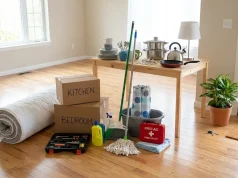
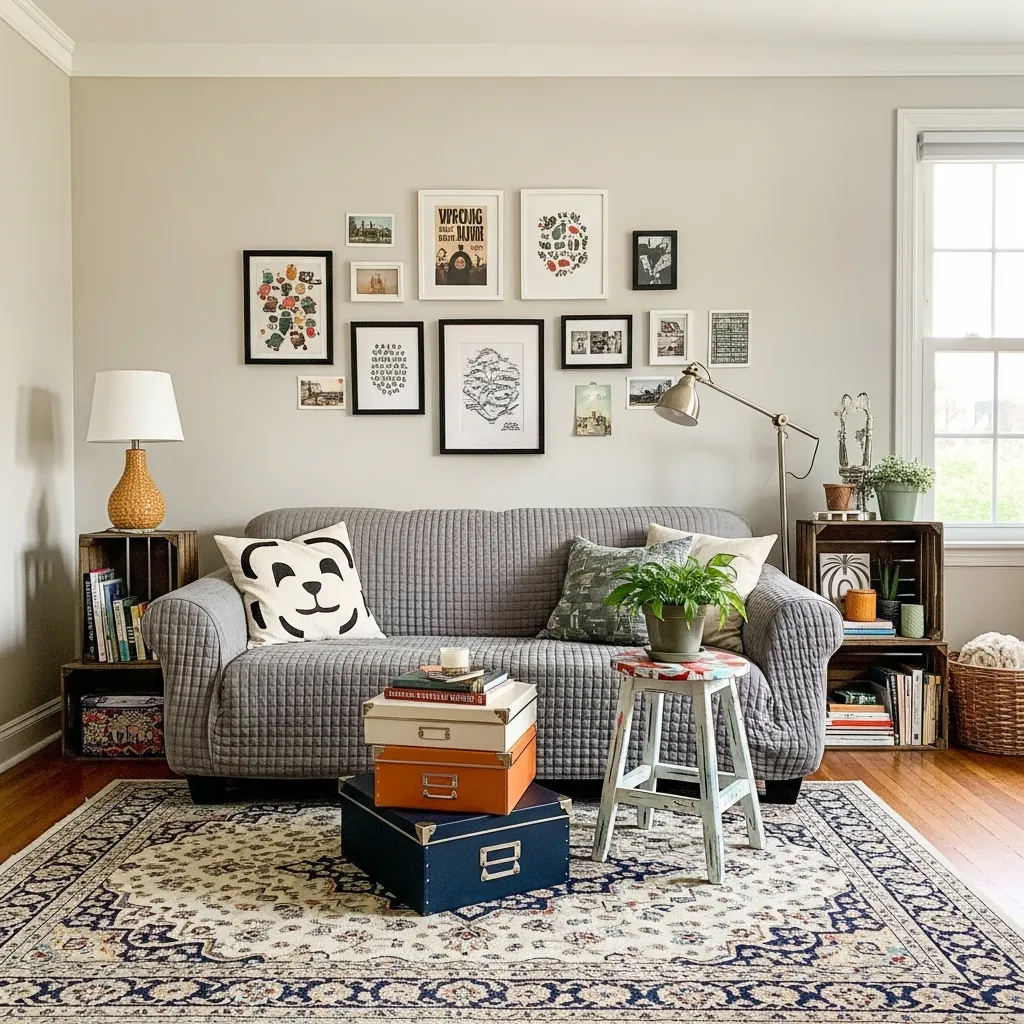
Transforming a temporary apartment into a stunning home feels overwhelming. However, using these strategic Furnishing Tips, you can create a beautiful, personalized sanctuary without draining your savings account.
This comprehensive guide delivers exactly what you need to elevate your living space economically. You will discover how to source affordable pieces, maximize small floor plans, and utilize renter-friendly upgrades. Implement these proven strategies to design a cohesive, stylish environment that protects your security deposit and reflects your unique personality perfectly.
The Foundations of Affordable Apartment Design
Before you buy a single item, you must establish a clear plan. Haphazard shopping leads to cluttered rooms and wasted money. By approaching your interior design strategically, you stretch every dollar further while achieving a curated, high-end look.
1. Define Your Personal Style and Color Palette
Start by identifying your core aesthetic. Browse Pinterest or Instagram to gather inspiration. Once you find a look you love, limit your color palette to three main shades: a dominant neutral, a secondary color, and a bold accent. This discipline prevents you from buying mismatched items on impulse. A cohesive color scheme makes even the most affordable decor look incredibly expensive and intentional.
2. Measure Every Square Inch of Your Space
Never guess your room dimensions. Use a tape measure to record the length and width of your rooms, hallways, and doorways. Write these numbers down and keep them on your phone. When you find a beautiful sofa at a thrift store, you will know instantly if it fits. Buying furniture that perfectly scales to your room is one of the most critical apartment decorating ideas interior designers use to make small rentals feel expansive.
3. Create a Phased Budgeting Plan
You do not need to buy everything in one weekend. Create a prioritized list of absolute necessities, such as a mattress, a sofa, and a dining table. Allocate the majority of your budget to these foundational pieces. Once you secure the essentials, gradually add rugs, artwork, and accent chairs over several months. This phased approach reduces financial stress and allows you to hunt for the perfect deals.
Mini-Conclusion: Planning and Preparation
Strategic planning serves as your best defense against overspending. When you know exactly what you need and what fits, you shop with total confidence and purpose.
Maximizing Space with Smart Furniture Choices
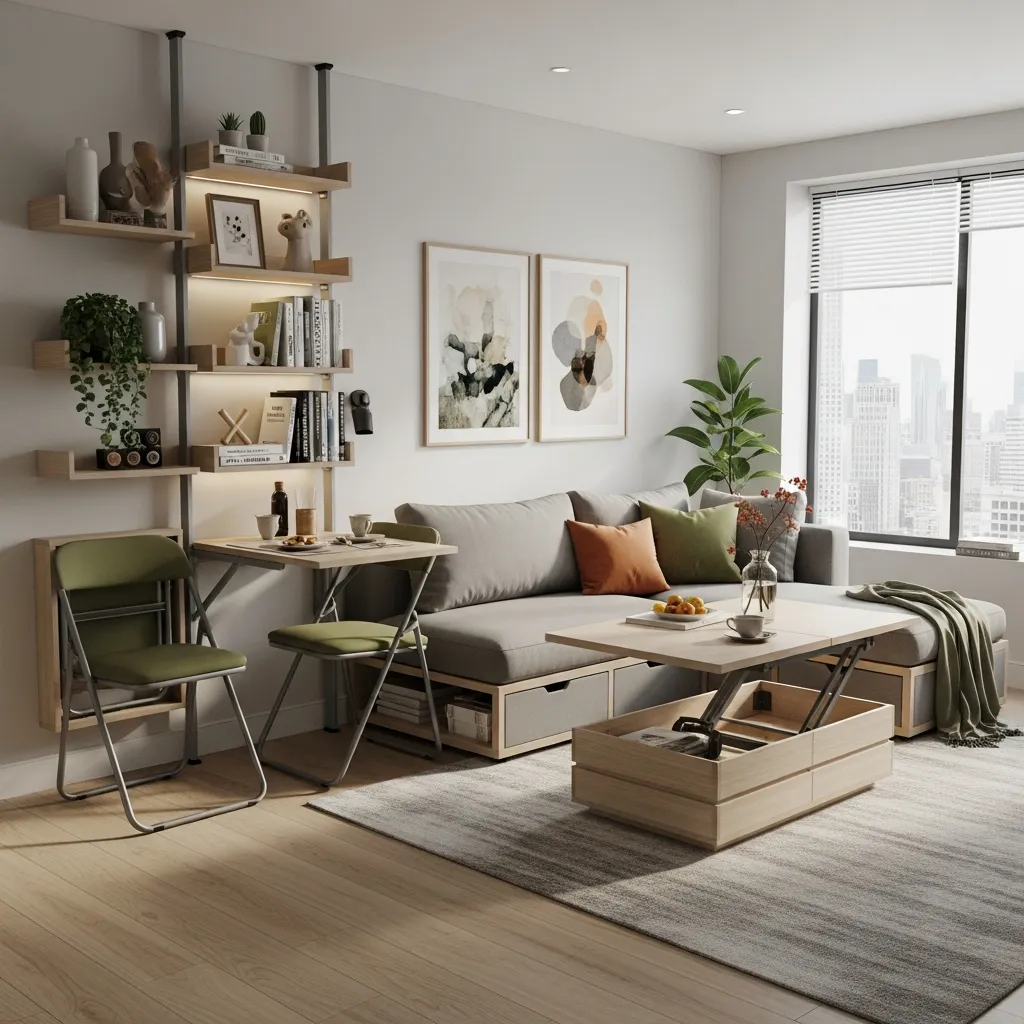
Rentals often lack generous square footage. To maintain a functional, airy environment, you must select furniture that works incredibly hard for you.
4. Invest in Multi-Functional Masterpieces
Every piece of furniture in a small apartment should serve at least two purposes. Buy an ottoman with a removable lid to store extra blankets. Choose a sleek desk that doubles as a dining table. Look for a stylish daybed that functions as a sofa during the day and a guest bed at night. Space-saving furniture drastically reduces visual clutter while maximizing your daily living experience.
5. Utilize Vertical Storage Solutions
When floor space runs out, look up. Install tall, freestanding bookcases that reach almost to the ceiling. Use the top shelves for decorative items and the bottom shelves for heavy books and storage baskets. According to Apartment Therapy, drawing the eye upward creates the illusion of higher ceilings and a much larger room.
6. Choose Furniture with Exposed Legs
Heavy, blocky furniture that sits flush against the floor absorbs light and makes a room feel heavy. Instead, select sofas, chairs, and dressers with exposed legs. Seeing the floor underneath the furniture creates a sense of flow and openness. This simple optical illusion instantly modernizes your space.
7. Harness the Power of Floor Mirrors
Mirrors act as virtual windows. Purchase a large, inexpensive floor mirror and lean it against a wall opposite your biggest window. The mirror will bounce natural light throughout the room, instantly doubling the perceived depth of your living area. Secure the top of the mirror to the wall with a renter-friendly anchor for safety.
Mini-Conclusion: Spatial Efficiency
Smart furniture selection completely transforms how a room functions. By prioritizing dual-purpose items and verticality, you unlock the full potential of your limited square footage.
DIY and Upcycling Strategies for Renters
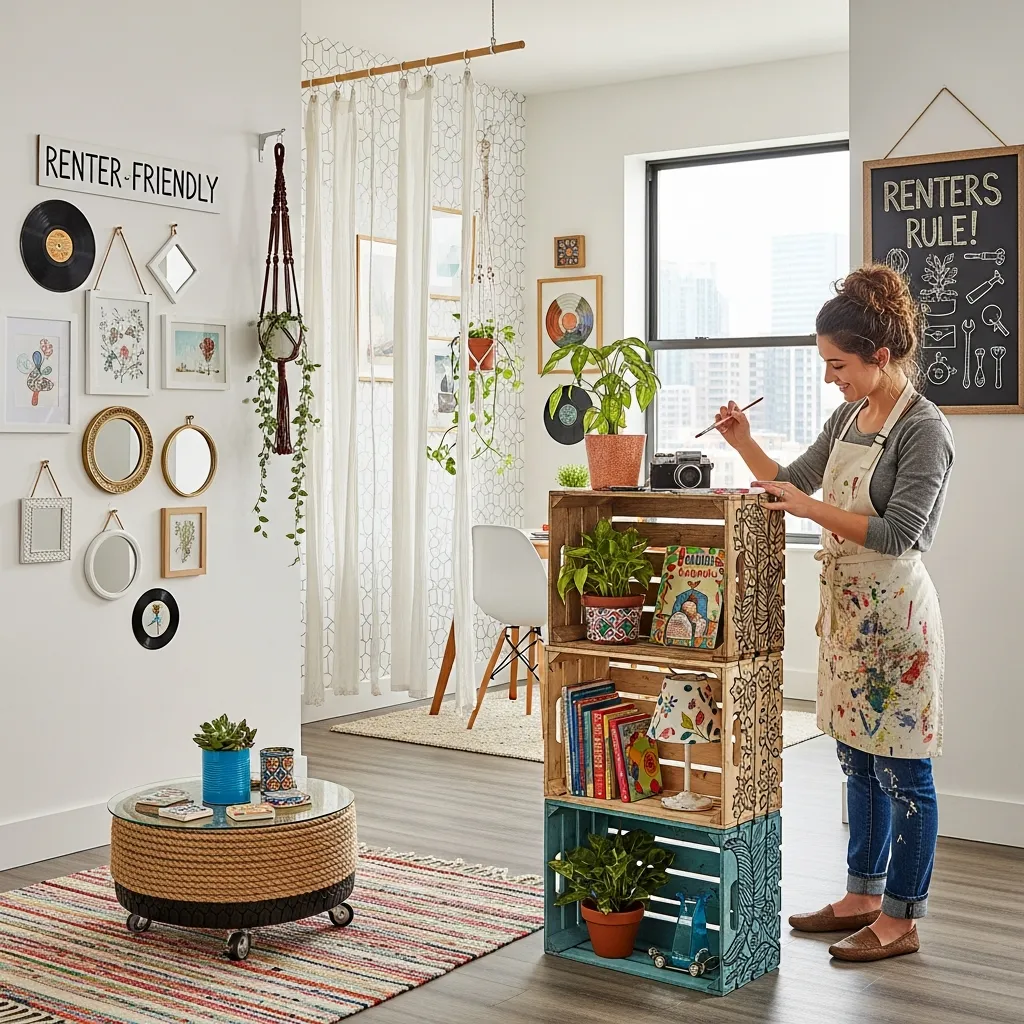
You can acquire stunning, high-quality furniture for pennies if you know how to breathe new life into old items. Secondhand shopping and basic DIY skills are the renter’s greatest assets.
8. Master the Art of Thrift Store Flipping
Frequent your local thrift stores, estate sales, and flea markets. Look past ugly upholstery and scratched finishes. Focus entirely on the shape and structural integrity of the piece. Solid wood furniture from the mid-twentieth century boasts far superior craftsmanship than modern flat-pack alternatives. A quick sanding and a fresh coat of paint easily modernize a dated wooden dresser.
9. Upcycle with Contact Paper
If you hate the top of your hand-me-down coffee table, do not throw the table away. Purchase high-quality, wood-grain or marble-patterned contact paper. Carefully apply it to the surface using a squeegee to remove air bubbles. This incredibly cheap renter-friendly DIY projects technique yields stunning, highly durable results.
10. Reupholster Dining Chairs Yourself
You do not need professional sewing skills to recover a dining chair seat. Unscrew the seat cushion from the frame. Buy affordable, heavy-duty fabric and a staple gun. Pull the new fabric tightly over the old cushion and staple it to the underside of the wood. This thirty-minute project entirely changes the vibe of your dining area.
11. Swap Out Standard Hardware
Upgrading hardware is the easiest way to make cheap furniture look luxurious. Remove the basic plastic knobs from your IKEA dresser or thrifted nightstand. Replace them with heavy brass pulls or sleek matte black handles. This tiny detail significantly elevates the perceived value of your items.
Mini-Conclusion: Creative Upcycling
Embracing secondhand items and simple DIY techniques empowers you to curate a bespoke home. You save massive amounts of money while keeping discarded furniture out of landfills.
Lighting, Textiles, and Decor Upgrades
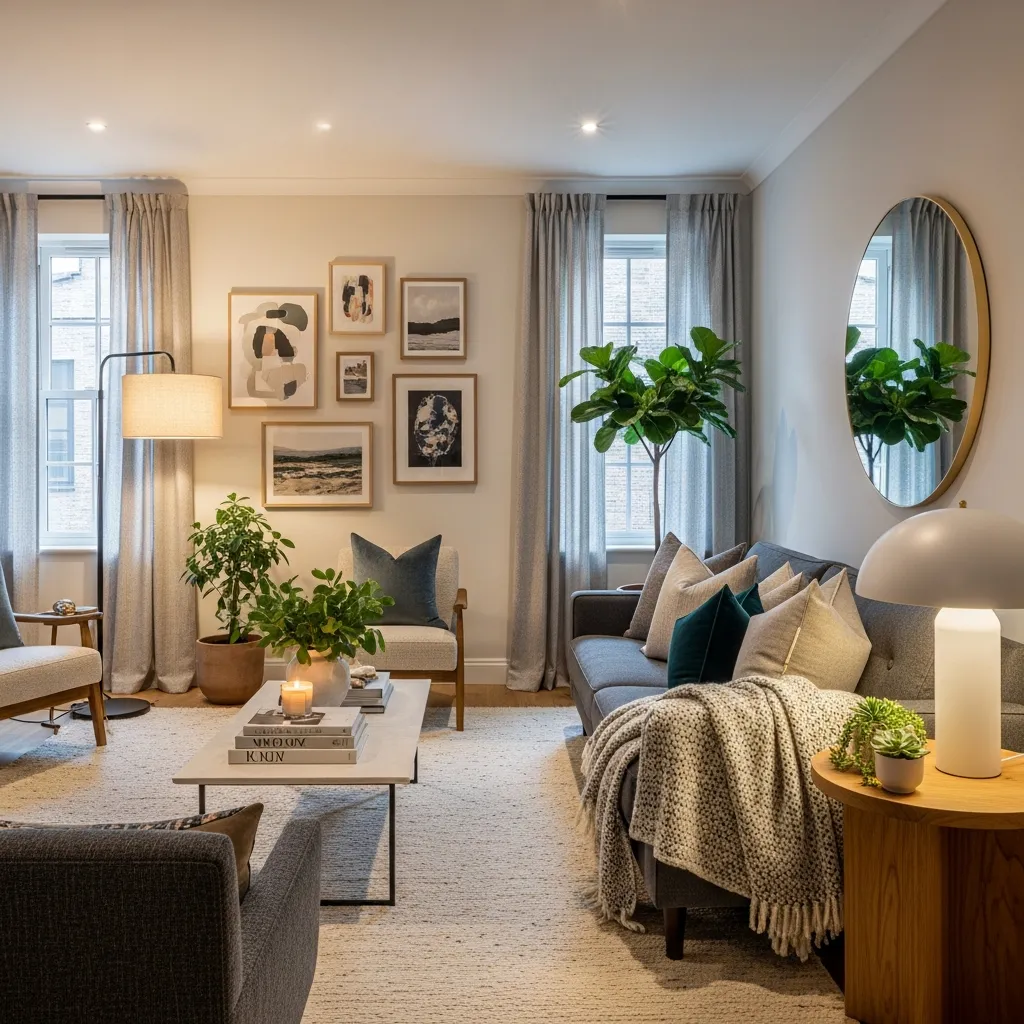
Once you secure your foundational furniture, you must layer in texture, light, and personality to make the rental feel like a true home.
12. Layer Your Area Rugs
Large area rugs often cost a fortune. To save money, buy an oversized, inexpensive jute or sisal rug to cover the main floor area. Then, purchase a smaller, patterned vintage rug and layer it directly on top of the jute rug, centering it under your coffee table. This technique adds rich texture and defines your living zone beautifully.
13. Upgrade Your Lighting Scheme
Relying solely on harsh overhead rental lighting ruins your ambiance. Build a layered lighting scheme using affordable floor lamps, table lamps, and plug-in wall sconces. Place warm-toned LED bulbs in every fixture. Distributing light from multiple sources creates a cozy, inviting atmosphere that makes your affordable furniture look incredibly chic.
14. Embrace Large-Scale Plant Life
Indoor plants act as living architecture. Instead of buying dozens of tiny succulents, save your money for one massive statement plant, like a Ficus Audrey or a Monstera Deliciosa. Place it in a prominent corner. The vibrant green foliage breathes life into sterile white rental walls and draws the eye upward.
15. Create a Damage-Free Gallery Wall
Display your personality through art without losing your security deposit. Collect affordable prints, postcards, and thrifted frames. Map out a gallery arrangement on your floor. Use high-quality, weight-rated adhesive strips to mount the frames to your wall. This strategy creates a massive visual impact without requiring a single nail hole.
Mini-Conclusion: The Final Touches
Textiles, lighting, and art bridge the gap between a furnished room and a genuine home. These accessible layers inject warmth and character into your space.
Buying New vs. Thrifting Furniture
|
Feature |
Buying Flat-Pack New |
Thrifting & Upcycling |
|---|---|---|
|
Initial Cost |
Moderate to High |
Very Low |
|
Time Investment |
Low (Quick assembly) |
High (Hunting and DIY time) |
|
Material Quality |
Often particleboard/MDF |
Often solid wood/metal |
|
Uniqueness |
Mass-produced |
One-of-a-kind |
|
Environmental Impact |
High carbon footprint |
Sustainable/Recycled |
Common Mistakes to Avoid When Furnishing a Rental
Many renters waste money by rushing the design process. Avoid these frequent pitfalls to protect your budget and your peace of mind.
- Buying the “Matching Set”: Never buy a matching bedroom or living room set straight from a catalog. This makes your apartment look like a sterile furniture showroom. Mix textures, eras, and materials for a curated, collected appearance.
- Ignoring Scale and Proportion: Pushing a massive sectional sofa into a tiny studio apartment chokes the room. Always leave enough negative space around your furniture to allow for comfortable traffic flow.
- Skipping the Rug Pad: Never place an area rug directly on a hardwood floor. A cheap rug pad prevents slipping, protects the rental flooring from dye transfer, and makes inexpensive rugs feel much thicker and softer underfoot.
- Forgetting to Check for Pests: When buying secondhand upholstered furniture, inspect it thoroughly for bed bugs or odors before bringing it inside your home.
Pro Tips and Expert Insights
To truly master budget-friendly interior design, adopt the mindsets used by seasoned professionals.
- Shop Off-Season: Buy your patio furniture in October and your cozy winter throws in April. Retailers heavily discount these seasonal items to clear warehouse space, allowing you to secure premium pieces for a fraction of the cost.
- Utilize Open Shelving Strategically: If your rental kitchen lacks cabinets, buy an affordable freestanding wire shelving unit. Store your most beautiful glassware, plates, and dry goods in matching glass jars on these shelves. It adds storage while acting as a functional display piece.
- Embrace the Power of Paint (Where Allowed): If your landlord permits it, paint one accent wall a deep, moody color. This completely changes the dynamic of the room and highlights your furniture perfectly. Always get permission in writing and agree to prime it back to white before moving out.
Conclusion
Creating a beautiful home does not require limitless funds or permanent renovations. By applying these Furnishing Tips, you can maximize your square footage, upcycle unique pieces, and build a cohesive, stylish sanctuary. Start measuring your rooms today, hit your local thrift stores this weekend, and begin transforming your rental apartment into the home of your dreams!
Frequently Asked Questions
1. How do I furnish an entire apartment on a $500 budget?
Focus entirely on the secondhand market. Use Facebook Marketplace, Craigslist, and local thrift stores to secure your bed frame, sofa, and dining table. Clean and upcycle these items yourself. Ask family and friends if they have any spare items they want to discard.
2. What are the best affordable stores for renter furniture?
IKEA remains the king of affordable, modern basics. However, stores like Target, Wayfair, and HomeGoods offer excellent seasonal decor and accent furniture. Always check their clearance sections first.
3. Is it worth buying expensive furniture for a rental?
Generally, no. Because you will likely move again, expensive, oversized furniture might not fit your next floor plan. Invest your money in a high-quality mattress and a comfortable sofa, but save money on accent tables, rugs, and decor.
4. How can I make cheap flat-pack furniture look more expensive?
Upgrade the hardware instantly. Swap standard knobs for brass or leather pulls. You can also add peel-and-stick wallpaper to the back panels of bookcases to give them a custom, high-end appearance.
5. How do I hide ugly rental carpet?
The most effective solution involves layering a large area rug directly over the carpet. Choose a rug with a stiff backing to prevent it from buckling over the plush carpet underneath. Anchor the rug with your heavy furniture.
6. What is the best way to light a rental without hardwiring?
Utilize plug-in wall sconces, floor lamps with overarching arms, and strategically placed table lamps. You can also install under-cabinet LED light strips in your kitchen that simply plug into standard outlets.
7. Can I hang heavy shelves without drilling holes?
Hanging heavy, weight-bearing shelves generally requires drilling into studs. However, you can use heavy-duty adhesive strips for very light, decorative shelving. For books, always rely on freestanding, tall bookcases instead of wall-mounted options.
8. How do I make my small studio feel like it has separate rooms?
Use furniture to create physical boundaries. Place the back of your sofa facing your bed to divide the sleeping and living areas. Use a large area rug to anchor the living room, and place a tall, open bookcase between the kitchen and the bedroom to act as a room divider.
9. What should I look for when thrifting wood furniture?
Check the joints. Look for dovetail joints on drawers, which indicate high-quality craftsmanship. Avoid furniture made of particleboard with peeling veneer. Tap the wood; solid wood sounds dense, while cheap hollow-core wood sounds empty.
10. Do landlords care if I change the cabinet hardware?
Most landlords do not mind, provided you do not drill new holes. Simply unscrew the original hardware, place it in a labeled Ziploc bag, and store it safely. When your lease ends, reinstall the original knobs before your final walkthrough.