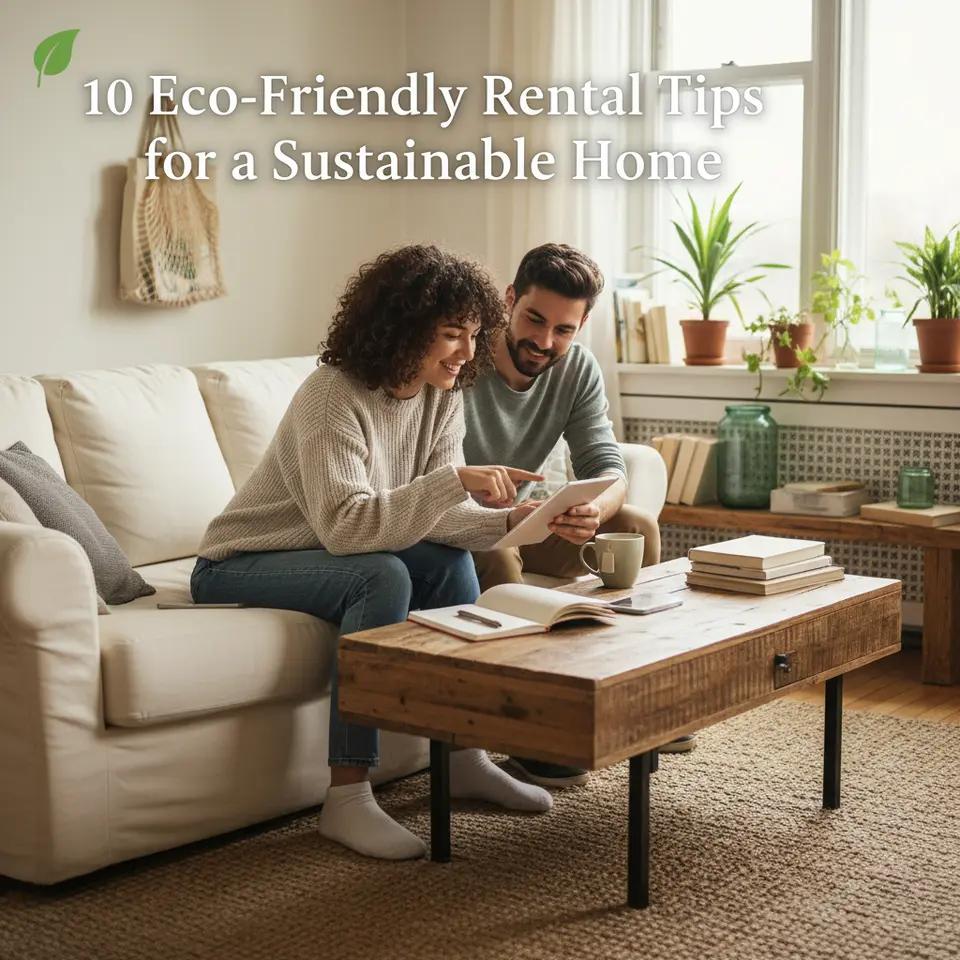
Want to live greener without losing your deposit? These essential eco-friendly rental tips help you create a sustainable home, lower utility bills, and reduce your carbon footprint instantly.
This guide reveals practical ways to transform your apartment into a green oasis. You will learn how to reduce energy consumption, minimize waste, and adopt sustainable habits. Apply these strategies to save money while protecting the environment during your tenancy.
1. Switch to Energy-Efficient LED Lighting
One of the easiest eco-friendly rental tips to implement is swapping out old incandescent bulbs for LED lighting. Renters often overlook lighting because they assume the landlord controls it. However, you have complete control over the bulbs you use inside your unit.
Why LED Lighting Matters
Traditional bulbs waste up to 90% of their energy as heat, making them incredibly inefficient. LED bulbs, on the other hand, use a fraction of the electricity and last years longer. By changing your bulbs, you immediately reduce your monthly energy consumption. This simple step forms the foundation of any sustainable home.
Step-by-Step Implementation
- Document the current wattage and base size of all existing bulbs in your apartment.
- Purchase ENERGY STAR-certified LED bulbs for your most frequently used rooms.
- Store the landlord’s original bulbs safely in a labeled box.
- Install your new LED bulbs.
- When you move out, take your LED bulbs with you and reinstall the originals.
Common Mistakes to Avoid
Many renters throw away the landlord’s original bulbs. Always keep them safe so you do not lose part of your security deposit when you move out. Additionally, avoid buying “cool white” bulbs for bedrooms, as the harsh light can disrupt your sleep cycle.
Expert Insights
Opt for smart LED bulbs. These allow you to control lighting schedules via your smartphone, ensuring lights turn off automatically when you leave for work. This provides even greater energy savings and aligns perfectly with modern apartment maintenance guidelines.
2. Install Low-Flow Water Fixtures
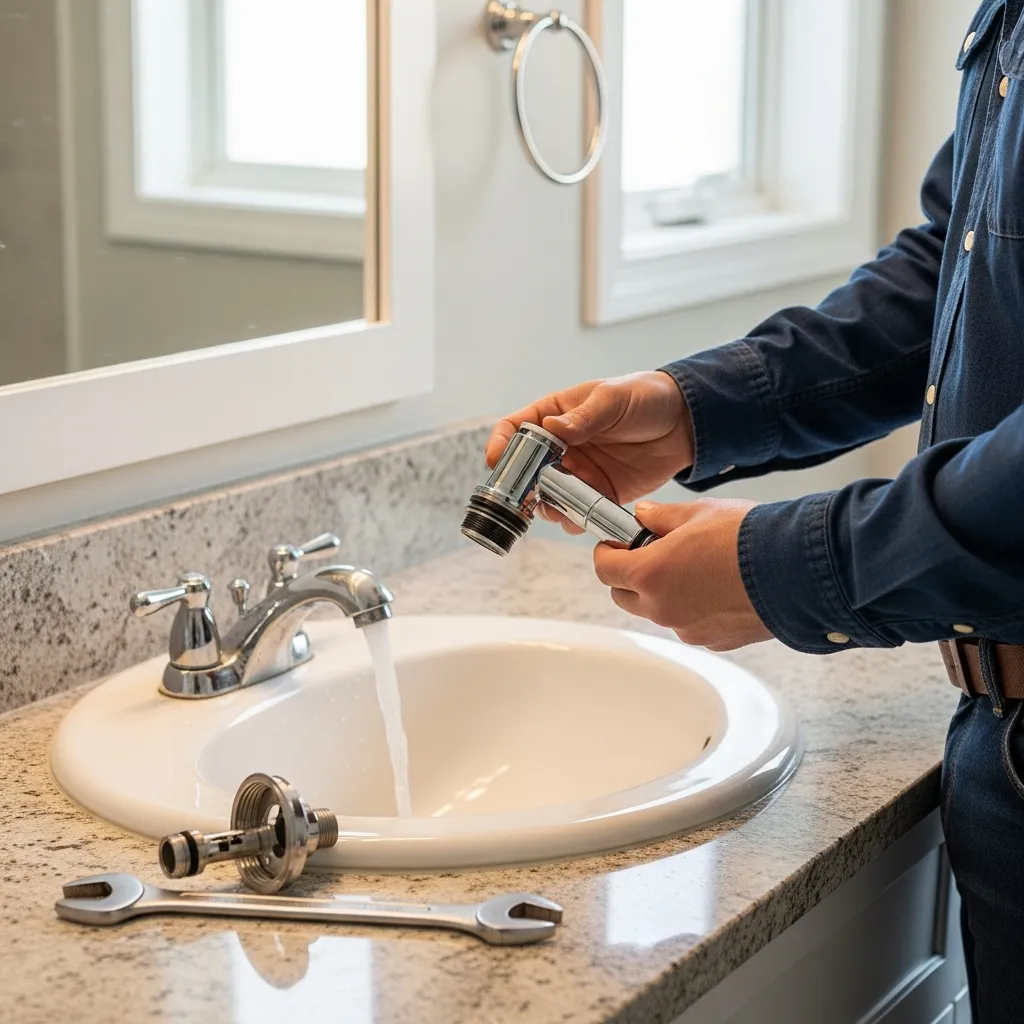
Water conservation is critical for sustainable living. While you cannot rip out the plumbing in a rental unit, you can easily make non-permanent upgrades to the fixtures.
The Impact of Low-Flow Technology
Standard showerheads and faucets push out gallons of unnecessary water every minute. Low-flow aerators and showerheads mix air into the water stream. This maintains water pressure while drastically reducing the actual volume of water used.
|
Fixture Type |
Standard Water Usage |
Low-Flow Water Usage |
Annual Savings Potential |
|---|---|---|---|
|
Showerhead |
2.5 GPM |
1.5 GPM |
~2,900 gallons |
|
Bathroom Faucet |
2.2 GPM |
1.0 GPM |
~1,500 gallons |
|
Kitchen Faucet |
2.2 GPM |
1.5 GPM |
~1,000 gallons |
Practical Application for Renters
Buy an inexpensive low-flow showerhead and a roll of plumber’s tape. Unscrew the current showerhead with a wrench, wrap the pipe threads with tape, and twist on your new eco-friendly fixture. You can do the same with faucet aerators. Just remember to keep the original fixtures under the bathroom sink to swap back later.
Pro Tips for Water Conservation
If your toilet runs continuously, notify your landlord immediately. A running toilet wastes thousands of gallons a month. You can also place a sealed plastic bottle filled with pebbles in the toilet tank to displace water, effectively creating a DIY low-flush toilet.
3. Optimize Heating and Cooling Habits

Heating and cooling account for the largest portion of your utility bills. Managing the climate in your rental efficiently requires strategy, especially if you live in an older building with poor insulation.
Maximizing HVAC Efficiency
You do not need to replace the entire HVAC system to see results. Start by ensuring all air vents remain unobstructed. Do not place couches or rugs directly over heating grates. This forces your system to work harder and use more energy.
Actionable Strategies
- Use thermal curtains: Hang thick, insulated curtains to block the sun during summer and trap heat during winter.
- Adjust the thermostat: Lower the temperature by a few degrees in winter and raise it in summer. Wear comfortable clothing to compensate.
- Utilize ceiling fans: Ensure ceiling fans spin counterclockwise in summer to create a cooling breeze, and clockwise in winter to push warm air down.
Common Mistakes to Avoid
Never turn your heating system completely off when leaving the house in winter. This can cause pipes to freeze, which violates basic tenant rights and responsibilities. Instead, lower the thermostat to 60 degrees Fahrenheit.
Mini-Conclusion: By managing airflow and utilizing window treatments, you take control of your environment without making unauthorized structural changes to the property.
4. Adopt Green Cleaning Products
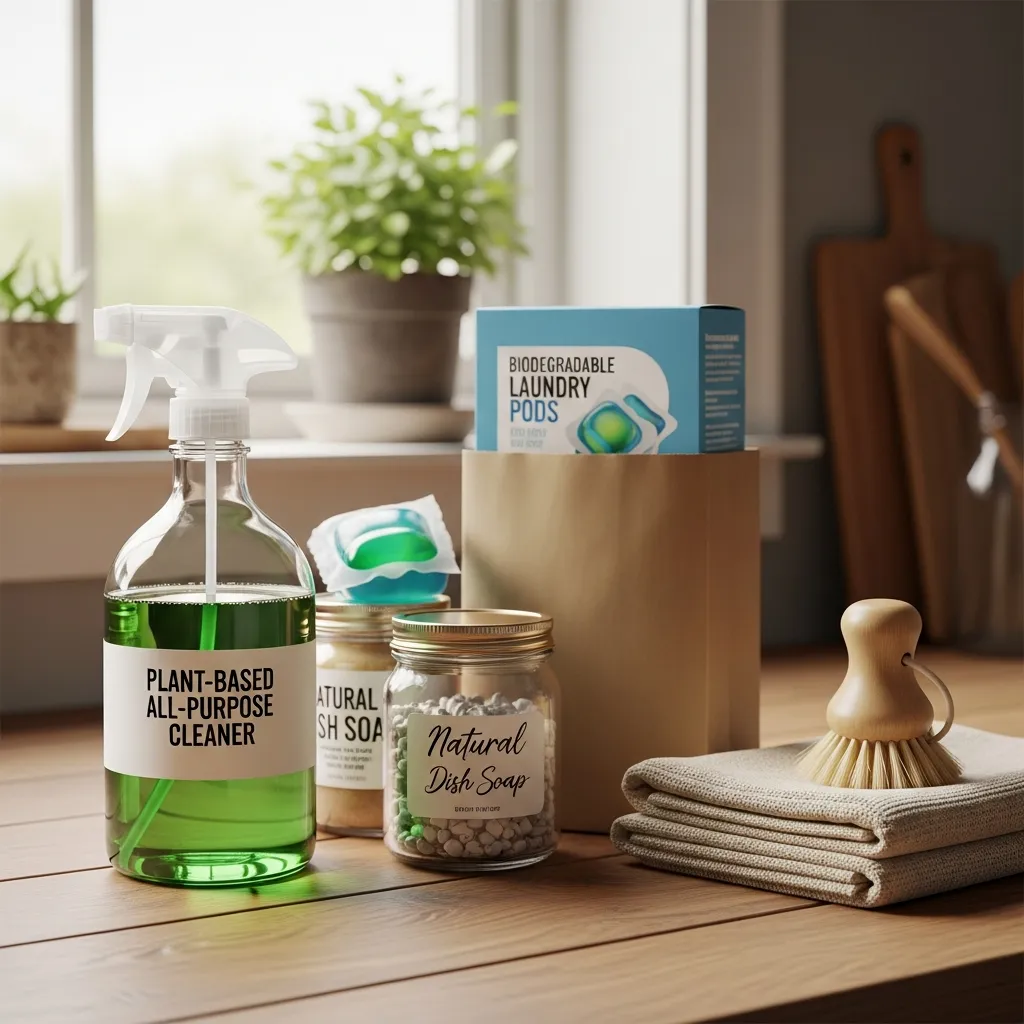
The chemicals you use to clean your home eventually wash down the drain and enter local water systems. Transitioning to eco-friendly cleaning supplies protects local waterways and improves your indoor air quality.
Environmental and Health Benefits
Standard bleaches and ammonia-based cleaners release volatile organic compounds (VOCs) into your enclosed rental space. These compounds irritate the lungs and harm aquatic life. Green cleaners utilize plant-based ingredients that degrade naturally without leaving a toxic footprint.
DIY Cleaning Solutions
You can save money by making your own cleaning supplies.
- All-Purpose Cleaner: Mix equal parts distilled white vinegar and water in a spray bottle. Add ten drops of lemon essential oil.
- Glass Cleaner: Combine water, a splash of vinegar, and a drop of dish soap.
- Scrubbing Paste: Mix baking soda with a tiny amount of water to form a paste for tough bathroom stains.
Expert Insights
Always check the labels of commercial “green” products. Look for certifications from the Environmental Protection Agency (EPA) Safer Choice program to avoid greenwashed brands. This simple switch is a vital part of budgeting for renters, as DIY cleaners cost pennies per bottle.
5. Implement a Small-Space Composting System
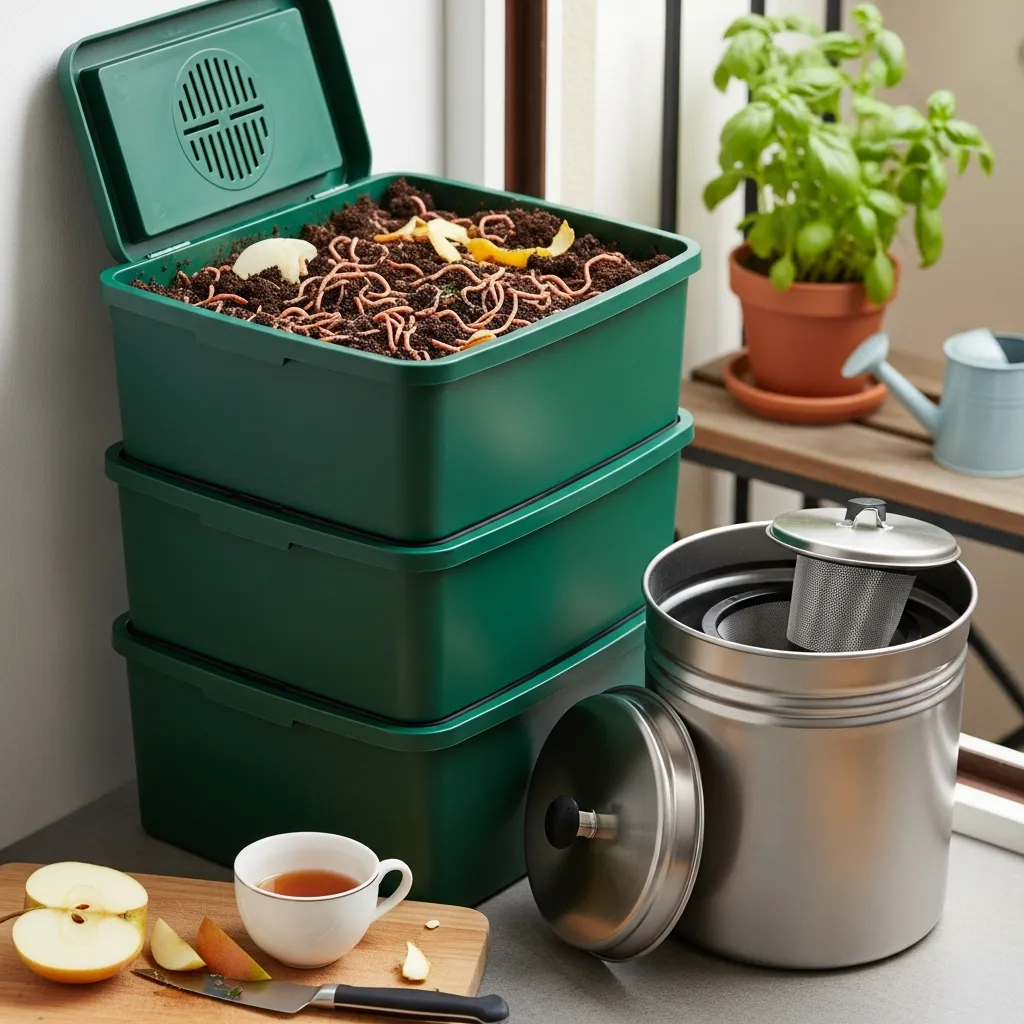
Food waste in landfills generates methane, a potent greenhouse gas. Many renters believe they cannot compost without a backyard, but small-space solutions make it entirely possible.
Indoor Composting Methods
You have several options for composting in an apartment setting:
- Bokashi Bins: This Japanese method uses an inoculated bran to ferment food waste indoors without odors. It handles meat and dairy, unlike traditional composting.
- Vermicomposting: A worm bin uses red wigglers to break down vegetable scraps into nutrient-rich castings. They fit perfectly under a kitchen sink.
- Countertop Bins: If your city offers municipal compost pickup, simply keep a sealed stainless steel bin on your counter and empty it weekly.
Common Mistakes to Avoid
Do not throw citrus peels or onions into a worm bin, as the acidity harms the worms. Never leave your compost bin unsealed, as this attracts fruit flies and creates unpleasant odors in tight apartment spaces.
Pro Tips
Store your food scraps in a container in the freezer until you are ready to drop them off at a local community garden or farmers market. Freezing eliminates any chance of smells or pests.
6. Choose Sustainable Furniture and Decor
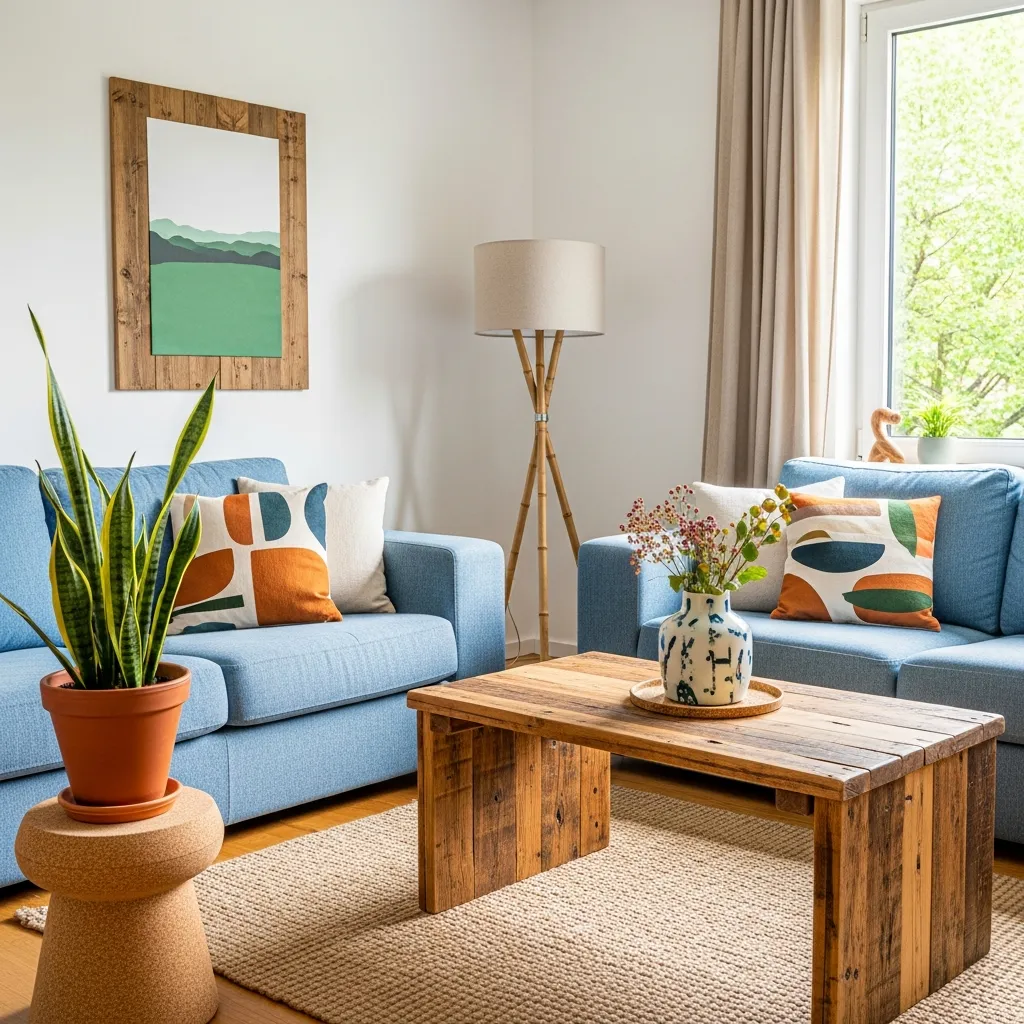
When furnishing your rental, resist the urge to buy cheap, fast furniture. Fast furniture breaks quickly and clutters landfills. Instead, embrace a circular economy.
Thrifting and Upcycling
Shopping at thrift stores, estate sales, and online marketplaces allows you to find high-quality, solid wood pieces for a fraction of the cost of new items. Upcycling an old dresser with non-toxic paint gives you a custom piece of furniture while keeping waste out of the dump.
Sustainable Materials
If you must buy new, look for items made from sustainable materials:
- FSC-certified wood
- Bamboo
- Recycled metals
- Organic cotton or linen upholstery
Comparison: Fast Furniture vs. Sustainable Furniture
|
Feature |
Fast Furniture |
Sustainable/Vintage Furniture |
|---|---|---|
|
Lifespan |
1 to 3 years |
Decades |
|
Environmental Impact |
High (Synthetic materials, global shipping) |
Low (Reused materials, local sourcing) |
|
Cost Over Time |
High (Frequent replacement needed) |
Low (One-time investment) |
|
Moving Durability |
Poor (Breaks during disassembly) |
Excellent (Sturdy construction) |
Mini-Conclusion: Curating a home with sustainable, second-hand pieces adds unique character to your space and ensures you do not contribute to the massive furniture waste crisis.
7. Manage Energy Vampires with Smart Power Strips
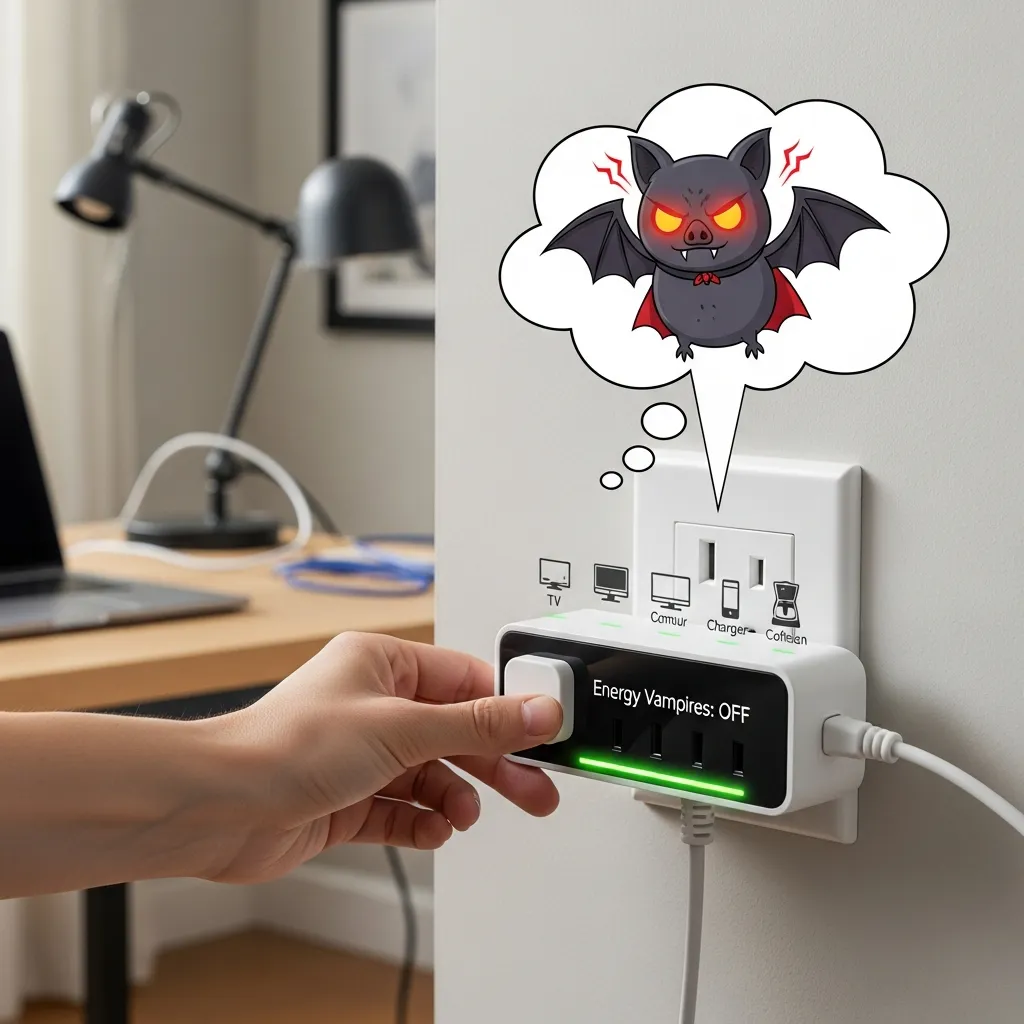
Many electronics consume electricity even when turned off. These “energy vampires” inflate your electric bill silently.
Identifying the Culprits
Televisions, gaming consoles, microwave ovens, and phone chargers constantly draw a small amount of current to remain in standby mode. In a standard apartment, this phantom load accounts for up to 10% of your total electricity usage.
The Smart Power Strip Solution
Plug your entertainment center and home office equipment into smart power strips. These devices detect when a primary device (like a TV) powers down, and they automatically cut the electricity supply to secondary devices (like a soundbar or gaming console).
Expert Insights
Make unplugging a habit. Walk through your apartment before leaving for the weekend and unplug small kitchen appliances. Add this step to your regular moving checklists to ensure you leave no active plugs behind when transitioning between apartments.
8. Maximize Natural Light and Window Insulation
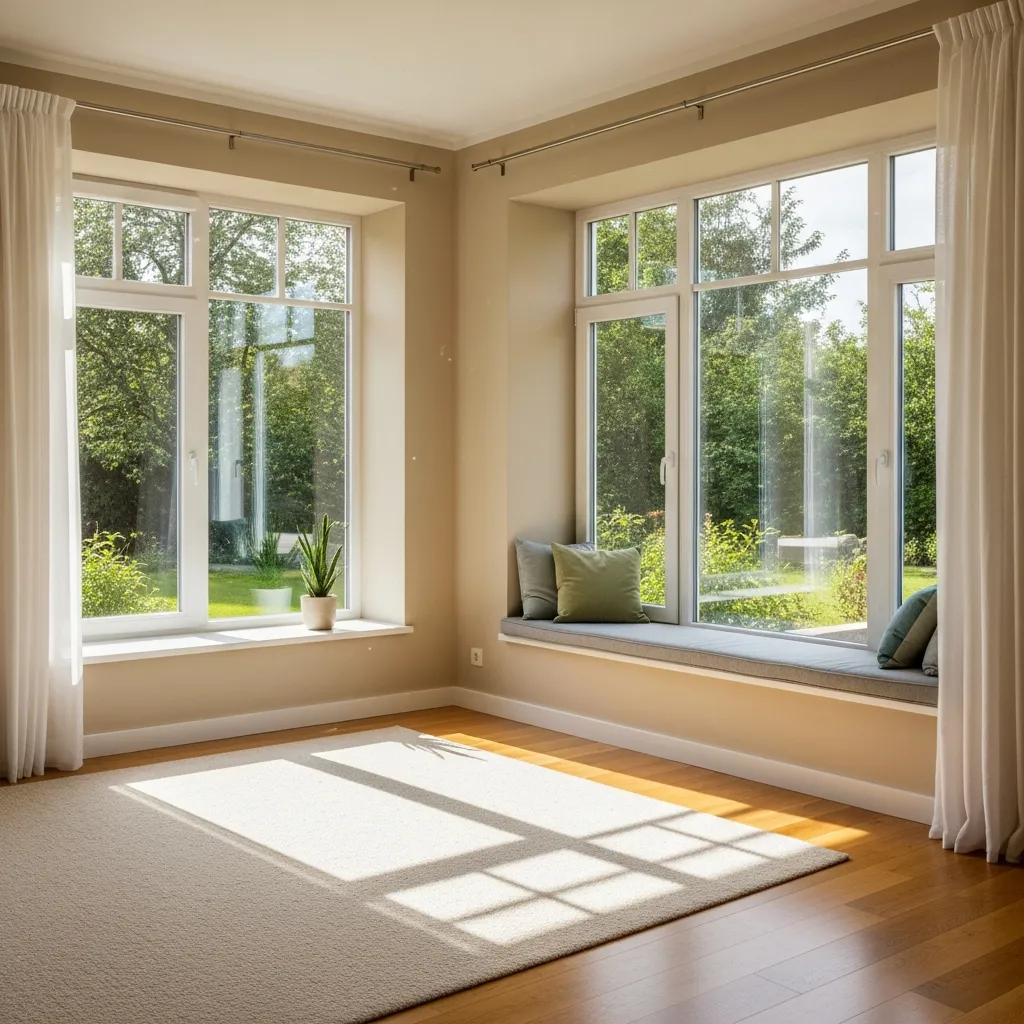
Your windows dictate how much artificial light and artificial temperature control you need. Maximizing their efficiency transforms your apartment’s energy profile.
Harnessing Daylight
Rearrange your furniture to take advantage of natural sunlight. Move your desk closer to the window so you do not need to turn on lamps during the workday. Place mirrors strategically on walls opposite your windows to bounce natural light deeper into dark corners of the apartment.
Improving Window Insulation
Drafty windows ruin your energy efficiency. Use removable weatherstripping tape or rope caulk to seal gaps around window frames. For winter months, apply a window insulation shrink kit. You tape clear plastic film over the window frame and heat it with a hair dryer to create a tight, invisible seal that traps heat indoors.
Common Mistakes to Avoid
Do not use permanent caulking or expanding foam on your landlord’s windows. This will cause property damage. Always use renter-friendly, peel-and-stick weatherstripping that removes cleanly.
9. Create an Indoor Balcony Garden
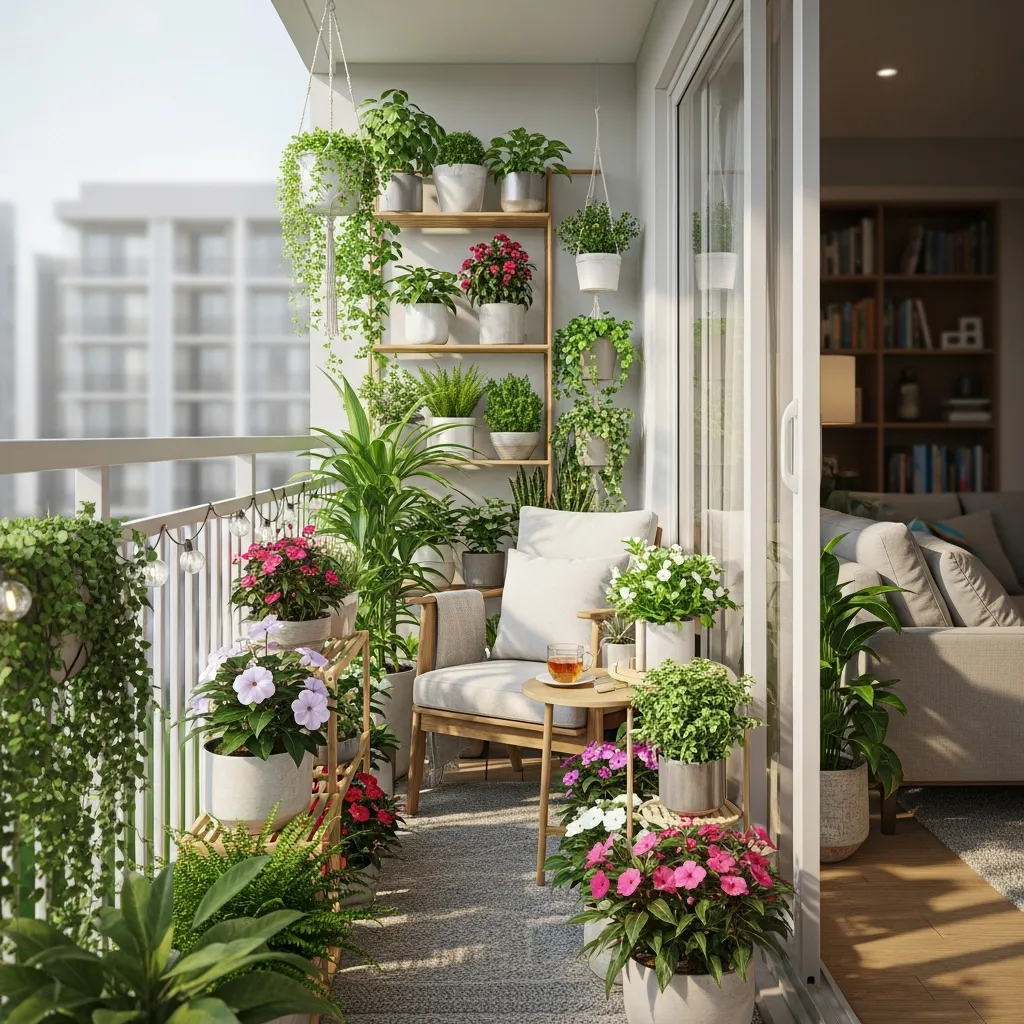
Bringing nature indoors purifies your air and reduces your reliance on store-bought produce. You do not need a massive yard to grow a productive garden.
Growing Your Own Food
Start with culinary herbs like basil, mint, and rosemary on a sunny windowsill. If you have a balcony, grow tomatoes, peppers, and lettuce in deep containers. Growing your own food reduces the plastic packaging and transportation emissions associated with grocery store produce.
Air-Purifying Houseplants
Incorporate plants known for removing toxins from the air. Spider plants, snake plants, and peace lilies require very little maintenance and actively filter out harmful compounds found in synthetic apartment carpets and paints.
Pro Tips
Water your plants using the leftover water from boiling pasta or vegetables (once it cools). This conserves water and provides your plants with extra nutrients.
10. Establish a Strict Recycling Station
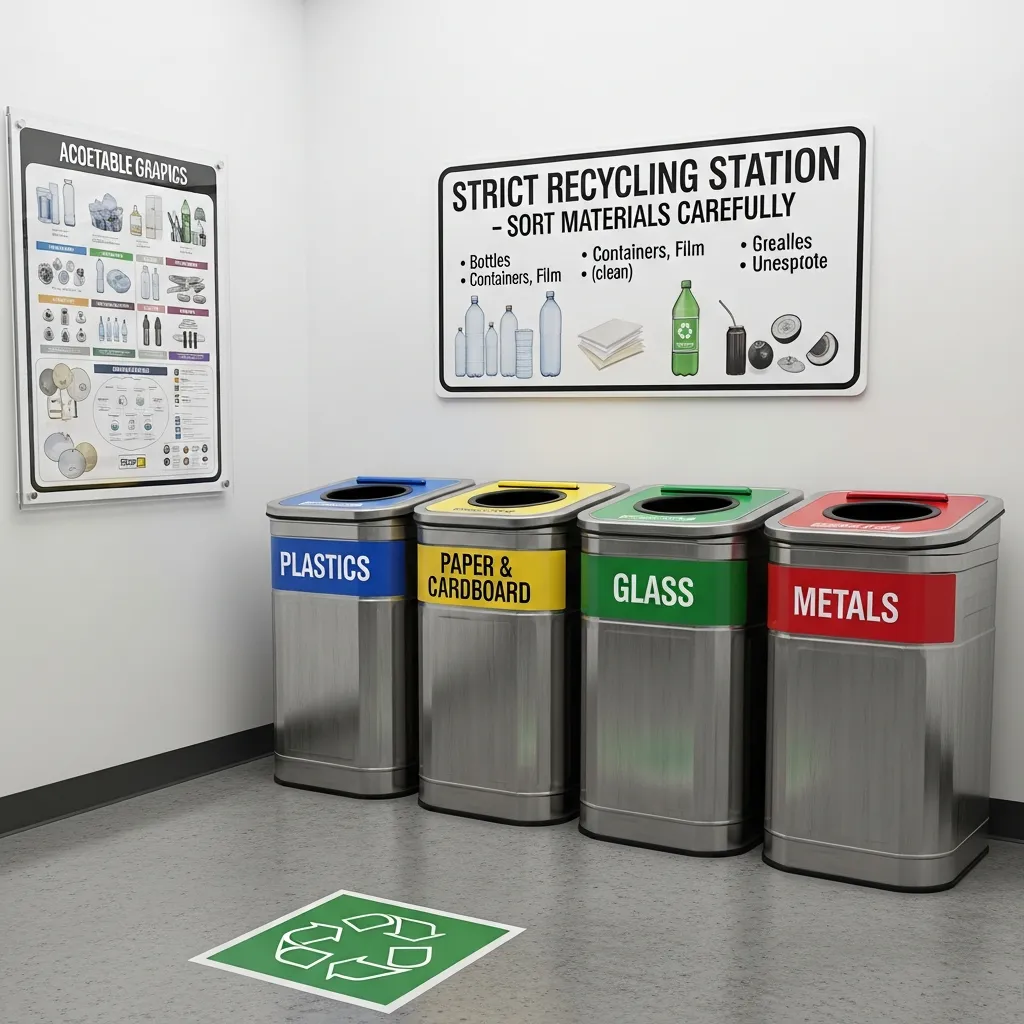
A disorganized recycling system usually ends up in the trash bin. Setting up a dedicated, highly organized waste station ensures you actually recycle everything possible.
Sorting Your Waste
Create distinct, labeled bins for different materials:
- Paper and cardboard
- Plastics (Check your local municipality for accepted numbers)
- Glass and aluminum
- E-waste and batteries (Requires special drop-off)
Understanding Local Guidelines
Recycling rules vary wildly from city to city. Educate yourself on what your local facility actually processes. Putting unrecyclable items into the recycling bin causes “wish-cycling,” which contaminates the entire batch and sends it all to the landfill.
Expert Insights
Rinse your containers thoroughly before recycling them. A single unwashed peanut butter jar can ruin a whole bale of recyclable cardboard. Keep your bins clean and accessible to ensure the habit sticks.
Conclusion
Implementing these eco-friendly rental tips empowers you to live a greener, more responsible lifestyle, regardless of whether you own the property. By making mindful choices regarding your energy, water, and waste, you protect the planet and save money. Start applying these rental tips today, and transform your temporary space into a model of sustainability. Share this guide with your neighbors to multiply your positive environmental impact!
FAQs
1. How can I make my apartment more eco-friendly without losing my deposit?
Focus on non-permanent changes. Swap traditional light bulbs for LEDs, use removable weatherstripping on drafty windows, and install low-flow showerheads. Always keep the landlord’s original fixtures in a safe box, and reinstall them exactly as you found them before moving out.
2. Does unplugging appliances actually save money?
Yes. Electronics like televisions, microwaves, and chargers draw a “phantom load” even when turned off. Unplugging them or using a smart power strip to cut the current can reduce your monthly electric bill by up to 10%.
3. How can I compost in a small apartment without smells?
Use a Bokashi bin, which ferments food waste in a sealed container using special bran, eliminating odors entirely. Alternatively, use a countertop stainless steel bin with a charcoal filter to hold scraps until you drop them off at a local community compost center.
4. Are green cleaning products really better for the environment?
Absolutely. Conventional cleaners contain harsh chemicals and VOCs that pollute water systems and degrade indoor air quality. Green cleaners use biodegradable, plant-based ingredients that clean effectively without leaving toxic residues in your home or the ecosystem.
5. How do I insulate drafty rental windows?
Use renter-friendly solutions like self-adhesive weatherstripping tape or temporary window insulation film kits. Heavy thermal curtains also block cold drafts in winter and keep out excess solar heat in the summer without altering the window frame.
6. What is the most energy-efficient way to heat and cool an apartment?
Keep your thermostat set to 68 degrees in winter and 78 degrees in summer. Ensure no furniture blocks your air vents, use ceiling fans to circulate air, and utilize thermal curtains to trap your desired temperature indoors.
7. Can I install a smart thermostat in a rental?
You must get written permission from your landlord first. If approved, carefully remove the old thermostat, take photos of the wiring, install the smart thermostat, and keep the original device to reinstall upon move-out.
8. Why is fast furniture bad for the environment?
Fast furniture is typically made from cheap particleboard and synthetic glues. It is not designed to last or survive a move, leading to massive amounts of furniture waste in landfills. It also involves high carbon emissions from global shipping.
9. How do low-flow fixtures work?
Low-flow showerheads and faucet aerators mix air into the water stream. This keeps the water pressure feeling strong and consistent while actually pushing out up to 50% less water, saving thousands of gallons per year.
10. What are the best indoor plants for improving air quality?
Snake plants, spider plants, pothos, and peace lilies are excellent choices. They require minimal sunlight and water, making them perfect for apartments, while actively filtering common indoor pollutants like formaldehyde and benzene from the air.