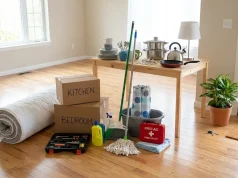

Moving is overwhelming, but mastering these Rental Tips for Stress-Free Renting changes everything. Secure your dream home, protect your finances, and enjoy your move.
This comprehensive guide provides actionable strategies to navigate the housing market efficiently. You will learn how to negotiate leases, avoid common rental scams, communicate effectively with landlords, and secure your deposit, ensuring your next move is smooth, affordable, and entirely worry-free.
The Role of Preparation in Rental Tips for Stress-Free Renting
A successful move begins long before you pack your first box. Thorough preparation is the cornerstone of any smooth transition into a new home. When you take the time to organize your finances, gather necessary documents, and research target neighborhoods, you eliminate the frantic scrambling that usually accompanies moving day.
Landlords and leasing agents favor highly prepared applicants. Having your proof of income, references, and identification ready allows you to apply for highly desirable units immediately after a viewing. In competitive housing markets, this level of readiness is often the deciding factor between securing a lease and losing out to another applicant.
Top 15 Rental Tips for Stress-Free Renting
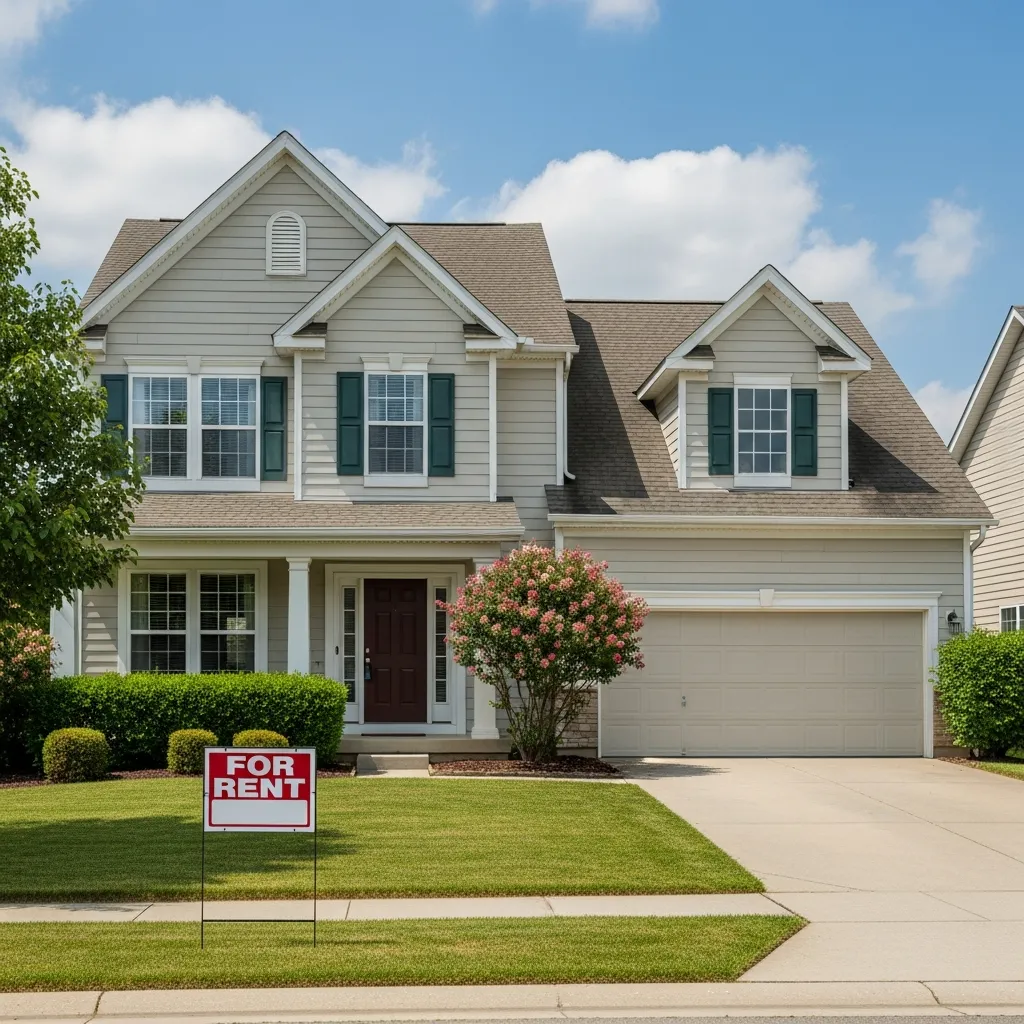
Navigating the rental market requires strategy and awareness. Follow these 15 actionable tips to secure a great home and maintain a positive relationship with your landlord.
1. Determine Your True Budget
Before browsing listings, calculate exactly how much you can afford. A standard rule is spending no more than 30% of your gross monthly income on rent. However, you must also account for hidden costs. Utilities, parking fees, pet rent, and internet access can add hundreds of dollars to your monthly expenses. Create a spreadsheet detailing your income against all projected expenses to establish a realistic price range.
2. Read and Understand Your Lease Agreement
Never sign a legal document without reading every clause. Your lease agreement dictates the terms of your residency, including maintenance responsibilities, guest policies, and penalties for breaking the lease early. If you do not understand specific legal jargon, ask the leasing agent for clarification. Knowing your contractual obligations prevents unexpected fines and legal disputes down the line.
3. Conduct a Thorough Move-In Inspection
The moment you receive your keys, walk through the empty property and document its exact condition. Take clear, well-lit photos and videos of any existing damage, such as scratched floors, stained carpets, or cracked windows. Fill out an inspection checklist and have your landlord sign it. This documentation proves you did not cause the damage and protects your security deposit when you eventually move out.
4. Invest in Renters Insurance
Many tenants skip this step, assuming the landlord’s insurance covers their belongings. It does not. The landlord’s policy only protects the physical building. Renters insurance covers your personal property in the event of fire, theft, or severe weather. It also provides liability coverage if a guest gets injured inside your apartment. Policies are highly affordable and offer massive financial protection.
5. Keep All Communication in Writing
Whenever you deal with a landlord or a property management company, leave a paper trail. If you request a repair, send an email or submit a ticket through the official tenant portal. If you agree on a rent reduction or a lease modification, get the updated terms in writing. Verbal agreements hold very little weight in a legal dispute.
6. Submit Maintenance Requests Immediately
Do not wait for a small leak to become a massive flood. Report maintenance issues the moment you notice them. Prompt reporting prevents further damage to the property, which could otherwise be blamed on your negligence. Keep a log of when you submitted the request and when the repair was completed.
7. Know Your Tenant Rights
Housing laws vary drastically by city and state, but all tenants have fundamental rights. You have the right to a habitable living environment, the right to privacy, and protection against discriminatory practices. Research your local housing authority guidelines so you understand exactly how much notice a landlord must give before entering your unit or raising your rent.
8. Negotiate the Lease Terms
Rent prices are not always firmly set in stone. If you have excellent credit, a solid rental history, or are willing to sign an extended lease (such as 18 or 24 months), use that as leverage. You can ask for a slight reduction in monthly rent, waived parking fees, or a free month of rent upfront.
9. Verify the Landlord’s Reputation
Just as landlords screen tenants, you should screen your prospective landlord. Search online for reviews of the building or the property management company. Speak to current residents if possible. A landlord who ignores maintenance issues or unfairly withholds deposits will turn a beautiful apartment into a nightmare.
10. Check Cell Phone Reception and Water Pressure
During your property tour, test the basic functions of the apartment. Turn on the shower to check the water pressure and temperature. Look at your phone to ensure you have a strong cellular signal in all rooms. These small details significantly impact your daily comfort but are easily overlooked during a brief walkthrough.
11. Clarify the Pet Policy Early
If you own a pet or plan to adopt one, confirm the exact pet policy before applying. Some buildings restrict specific dog breeds or enforce weight limits. Clarify the cost of pet deposits and monthly pet rent. Getting caught hiding an unauthorized pet can lead to immediate eviction.
12. Plan Your Moving Day Logistics
Coordinate your moving day well in advance. If you are moving into a high-rise building, you likely need to reserve the freight elevator. Confirm where the moving truck can legally park to avoid city fines. Planning these logistics reduces stress and prevents costly delays on moving day.
13. Set Up Utilities Before Move-In
Do not spend your first night in the dark. Contact the local electricity, water, and internet providers at least two weeks before your lease begins. Schedule the activation for the day before you move in, ensuring the home is fully functional the moment you arrive.
14. Treat the Property with Respect
Maintaining a clean and damage-free home is the easiest way to ensure a smooth tenancy. Use felt pads under heavy furniture to protect hardwood floors. Use proper hanging hardware instead of driving massive nails into the drywall. Treating the property well builds goodwill with your landlord.
15. Give Proper Notice Before Moving Out
When you decide to leave, review your lease to see exactly how much notice is required. Most agreements mandate a 30-day or 60-day written notice. Failing to provide this notice exactly as specified can result in severe financial penalties, including being charged for an extra month of rent.
Comparing Renting Strategies: Private Landlords vs. Property Management
When searching for a rental, you will encounter two main types of management. Understanding the differences helps you choose the environment that best fits your lifestyle.
|
Feature |
Private Landlord |
Property Management Company |
|---|---|---|
|
Lease Flexibility |
High. Often open to negotiating rent, lease length, and pet policies. |
Low. Strict corporate policies with standard, non-negotiable terms. |
|
Maintenance Speed |
Variable. Depends entirely on the landlord’s availability and resources. |
Fast and Consistent. Usually employ dedicated, 24/7 maintenance teams. |
|
Payment Options |
Limited. May require checks, cash, or peer-to-peer payment apps. |
Convenient. Offers secure online portals for automatic rent payments. |
|
Communication |
Personal. You build a direct relationship with the property owner. |
Professional. You communicate with various staff members and agents. |
Common Renting Mistakes to Avoid
Even smart renters sometimes fall into easily avoidable traps. Keep an eye out for these common pitfalls during your housing search.
Renting sight unseen is a massive risk. Scammers frequently post beautiful photos of apartments they do not actually own, collect application fees, and disappear. Always view the property in person, or have a trusted friend view it on your behalf, before handing over any money.
Failing to update your address is another frequent error. The moment you secure your new home, file a change of address with the postal service. Update your billing address with your bank, employer, and subscription services to ensure you do not miss critical mail.
Finally, do not rely on verbal promises regarding repairs. If the landlord promises to paint the walls or replace a broken appliance before you move in, demand that the promise is written into the lease.
Expert Insights for a Seamless Move
Industry professionals recommend treating your rental search like a job hunt. Create a “renter resume” that includes your basic information, rental history, employment verification, and a brief personal introduction. Handing this to a landlord during a viewing makes you highly memorable and demonstrates your organization skills.
Additionally, experts suggest introducing yourself to your neighbors shortly after moving in. Establishing a friendly rapport creates a safer, more pleasant living environment. Good neighbors will keep an eye on your packages, alert you to building issues, and make the overall renting experience significantly more enjoyable.
Conclusion
Implementing these Rental Tips for Stress-Free Renting will completely transform your approach to the housing market. By thoroughly understanding your lease, documenting property conditions, and maintaining clear communication, you ensure a safe, affordable, and pleasant living experience. Ready to start your search? Apply these strategies today and secure your perfect home with total confidence!
Frequently Asked Questions (FAQs)
1. How much should I save before looking for a rental?
You should save enough to cover the first month’s rent, a security deposit (usually equal to one month’s rent), application fees, and moving expenses. Having three months of rent saved provides an excellent safety net.
2. Can I negotiate my rent price?
Yes, rent is often negotiable, especially if the property has been vacant for a while. You can offer to sign a longer lease or move in immediately in exchange for a slightly lower monthly rate.
3. What is a normal security deposit amount?
A standard security deposit is typically equal to one full month of rent. However, some states legally cap the maximum amount a landlord can charge, so you should check your local housing regulations.
4. Why do I need renters insurance?
Your landlord’s insurance only covers the building’s structure. Renters insurance covers the cost of replacing your personal belongings in case of theft, fire, or water damage, and protects you against liability claims.
5. How do I get my full security deposit back?
To get your full deposit back, conduct a thorough move-in inspection, report maintenance issues immediately, avoid causing property damage, clean the unit deeply before leaving, and provide proper move-out notice.
6. What should I look for during an apartment tour?
Check for signs of water damage, test the water pressure, open all cabinets and closets, verify cell phone reception, check the functionality of locks and windows, and observe the overall cleanliness of the building.
7. Is a private landlord better than a property management company?
It depends on your preference. Private landlords offer more flexibility and personal communication, while property management companies provide streamlined maintenance, online rent payments, and highly structured processes.
8. What happens if I need to break my lease early?
Breaking a lease usually involves a financial penalty, such as paying one or two months of rent. Check your lease agreement for the specific early termination clause to understand your exact financial obligations.
9. Can my landlord enter my apartment without asking?
No, landlords cannot enter your apartment without permission, except in extreme emergencies like a fire or flood. Most state laws require landlords to provide 24 to 48 hours of written notice before entering.
10. How can I avoid rental listing scams?
Avoid scams by never renting a property sight unseen, never wiring money or paying via gift cards, and verifying the landlord’s identity and property ownership before signing any official lease documents.